Learning to Surf in Santa Monica and Venice Beach
Where is the easiest place to learn to surf near Los Angeles?
Santa Monica and neighboring Venice Beach are the most accessible spots, partly reachable by LA Metro's E Line unlike most of the region's coastline. Waves are generally gentle and beginner-friendly, though conditions shift with season and tide, and a car still helps with gear and flexible lesson times.
Why Santa Monica is the easiest place to start surfing near LA
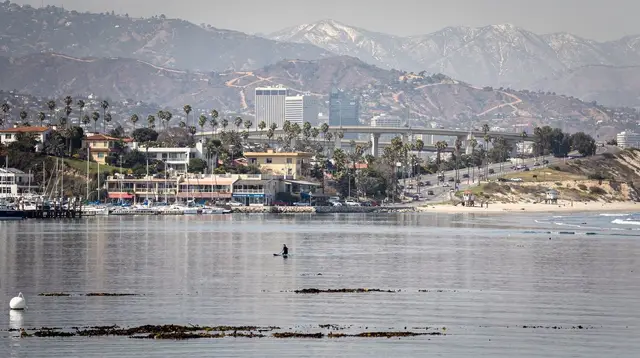
Los Angeles has plenty of water sports spread across a wide stretch of coastline, but most of them assume you have a car and a free afternoon to drive. Santa Monica and its southern neighbor, Venice Beach, are the exception. This is the one patch of Southern California surf that a visitor without a rental car can realistically reach, thanks to LA Metro’s E Line, which runs from Downtown LA out to Downtown Santa Monica. From the last stop, the beach, the pier and several surf schools are within easy walking distance.
That accessibility is the whole point of this guide. If you are weighing up where to try surfing for the first time, Santa Monica and Venice are the low-friction option compared with the broader activities covered in Los Angeles water sports, which leans more toward jet ski riding and windsurfing further down the coast around Long Beach and Cabrillo Beach. Those spots have their own appeal, but they are meaningfully harder to reach without your own vehicle, and they are not really set up as a first-timer’s introduction to standing on a board.
None of this means a car is useless here. It just means it is optional rather than mandatory, which is unusual for anything in this region.
What a first surf lesson actually involves
A group surf lesson in Santa Monica is built around teaching, not simply “going surfing.” Expect a small group led by one or two instructors, usually starting on the sand with the basics: how to carry a board, how to paddle, how to read an incoming wave, and how to pop up into a standing position. Only after that does the group move into the shallow water to practice on real, if usually small and forgiving, waves.
It is worth being honest about what this can and cannot deliver in one session. Standing up and riding a wave on your first lesson is a real possibility, and many people do manage it at least once, but it is not something any reputable school can promise. Balance, timing and the specific waves on the day all play a role, and a single session is realistic for practicing the mechanics rather than guaranteeing mastery. Think of a first lesson as an introduction you can build on, not a one-and-done skill unlock.
Equipment (board, wetsuit, sometimes a rash guard) is normally included with instruction, which matters because the water here is genuinely cold, not the warm, tropical-feeling sea many visitors picture when they hear “Southern California beach.” More on that below.
Group lesson or surf day trip with lunch: two different products
It is easy to conflate two things that are booked separately and deliver different experiences.
A structured group lesson is about technique: a set instructional block, a defined group size, and a coach correcting your paddling and pop-up. A surfing day trip with lunch is a looser, more experience-driven outing that pairs time in the water with a relaxed midday meal on or near the beach. It suits people who want the flavor of a beach day with some surfing folded in, rather than a focused teaching session. If your goal is to genuinely learn technique, the dedicated lesson format is the better fit; if you want an easygoing beach experience with surfing as part of the mix, the day trip is closer to what you are picturing.
book a small-group surf lesson in Santa Monica if learning the mechanics is the main goal, or try a surfing day trip with lunch included for a more relaxed beach day built around the water.
There is also a broader option worth knowing about: a surf lesson that ranges across Santa Monica, Venice and the wider Los Angeles coastline, useful if you are staying somewhere between the two beaches or simply want the instructor picking the best spot for the day’s conditions.
Conditions: what varies by season and tide
Wave size and quality along this stretch shift noticeably through the year and even within a single day, depending on tide and swell direction. Some days are gentle and ideal for beginners; others bring larger or choppier conditions that schools may adjust lessons around, including moving start times. That variability is exactly why most schools do not fix an exact lesson time far in advance during busy periods — they generally confirm the slot closer to the date, once they have a read on the tide and surf forecast. Book your spot in the group ahead of time, especially in summer, but expect some flexibility on the precise hour.
The water temperature is the other adjustment most visitors need to make. Unlike a Mediterranean or Caribbean beach, the Pacific off Santa Monica stays cool year-round, including through summer. A wetsuit is standard equipment for a reason: without one, most people would not last long in the water comfortably. Do not plan around images of warm tropical surf lessons; the cold is simply part of the experience here.
Getting there: Metro is possible, a car is still often easier
The E Line’s reach into Downtown Santa Monica is a genuine advantage this beach has over almost everywhere else covered in this region’s water sports scene. It puts a visitor without a car within walking distance of the sand, the pier and a cluster of surf schools, which is not something you can say about Malibu, Long Beach or the desert.
That said, treat the train as an option, not a reason to skip renting a car if you already have other plans nearby. Carrying a surfboard and wetsuit onto public transit is awkward at best, lesson start times can shift with tide conditions on short notice, and if you want to combine surfing with a wider loop through Venice Beach, Malibu or the South Bay, a car removes a lot of friction. Many surf schools also offer their own equipment on-site, which reduces how much gear you personally need to move.
Santa Monica or Venice Beach: does it matter which one you pick?
Santa Monica and Venice Beach sit directly next to each other, sharing essentially the same stretch of ocean and similar wave conditions, so the choice between them usually comes down to atmosphere and the exact kind of lesson you want rather than which spot has “better” surf. Santa Monica is anchored by its pier and the E Line stop, which makes it the simplest option if you are arriving without a car. Venice has its own boardwalk culture, street performers and the Venice Canals nearby, and it is where you will find some of the more flexible lesson formats.
If a group class is not quite what you are after, Venice Beach also has dedicated small-window options: a two-hour group surf lesson at Venice Beach for a shorter, tightly focused session, or a two-hour private lesson with your own instructor if you would rather have someone’s full attention rather than share it with a group.
For visitors who already have some experience and mainly want an instructor on hand for safety and pointers rather than full teaching, a private lesson at Venice Beach that includes the board and wetsuit is worth a look; it bundles gear and one-on-one guidance without the group-class structure. For a closer read on how the two beaches differ beyond surfing, see Santa Monica vs Venice Beach.
None of this changes the core advice in this guide: whichever beach you pick, book ahead in summer, expect the exact start time to firm up close to the date, and plan for cold water regardless of which stretch of sand you choose.
Other places to get in the water if you want more than one session
A single lesson in Santa Monica or Venice is a good introduction, but it is not the only water-sports option in the region if surfing turns out to be your thing, or if your group wants variety across a longer trip. Further down the coast, Huntington Beach and Laguna Beach in Orange County have their own established surf scenes, covered separately in Huntington Beach water sports and Laguna Beach water sports. Both are a longer drive from Santa Monica than Venice is, so they suit a dedicated day trip more than an add-on to a Westside morning.
For something entirely different, Catalina Island, reached by ferry, has its own water-sports scene built more around snorkeling, kayaking and other calmer activities than surfing; see Catalina Island water sports if a boat crossing and a change of pace appeal. And if whale watching interests you more than paddling out yourself, Dana Point further south is one of the region’s better-known departure points for that; more detail is in Dana Point whale watching.
If you are trying to decide how to slot a surf morning into a wider itinerary, the one-day Santa Monica and Venice plan is built around exactly this pairing, and the three-day LA beaches itinerary spreads a similar mix of surfing, boardwalk time and beach-hopping across a longer stay. For background on when to schedule any of this, best time to visit Los Angeles by zone covers how the coast’s conditions shift through the year.
Safety and etiquette for a first-time surfer
Surf schools in Santa Monica and Venice are used to complete beginners, but a little awareness of water etiquette makes the session smoother for everyone in the group. Wait your turn in the lineup rather than paddling for every wave that comes through, and listen for your instructor’s call on when to go, since they are watching both the wave and the other people in the water. Hold onto your board rather than letting it drift; a loose board is one of the more common ways beginners bump into each other.
Sun exposure is easy to underestimate on the water, where reflection off the surface adds to direct sun even on an overcast day. Reef-safe sunscreen reapplied through the session, and a rash guard if your school offers one, help more than people expect. Because the Pacific here runs cold, most first-timers are surprised by how much energy a session takes; it is common to feel more tired afterward than a similar amount of time spent, say, walking around Downtown Santa Monica or exploring the shops near the pier.
Finally, treat the ocean itself with some respect even in a beginner-friendly spot: currents and wave conditions can change during a session, which is exactly why instructors keep an eye on tide and swell before confirming exact start times, as covered above.
Beyond the lesson: renting and other things to pair with a beach day
If you already know how to surf, or want to practice on your own schedule outside a class, board and wetsuit rental is available without instruction attached: rent a surfboard and wetsuit in Santa Monica. This suits returning surfers more than complete beginners, since there is no instructor correcting technique or watching for safety issues in real time.
A surf morning also pairs naturally with the rest of what this stretch of coast offers. Many visitors follow a lesson with a walk along the Santa Monica Pier or down toward the Venice Canals, and a beach day here does not have to be only about the water — see Santa Monica things to do for the wider picture, or Los Angeles water sports if jet skiing or windsurfing further down the coast appeals more than surfing itself.
Practical comparison: the main ways to try surfing here
| Option | Best for | Structure |
|---|---|---|
| Group surf lesson | First-timers wanting real technique | Small group, instructor-led, set time block |
| Surfing day trip with lunch | Casual beach day with some surfing | Looser pace, includes a meal |
| Multi-beach surf lesson (Santa Monica/Venice/LA) | Flexibility on location | Instructor may choose the best spot on the day |
| Board and wetsuit rental only | Confident, independent surfers | No instructor, self-paced |
Frequently asked questions about surfing in Santa Monica and Venice
Do I need a car to surf in Santa Monica?
Not strictly. The E Line reaches Downtown Santa Monica within walking distance of the pier and several surf schools. But a car makes it far easier to haul a board and wetsuit, park closer to the water, and adjust to a lesson time that shifts with the tide.
Is the water warm enough to surf in Santa Monica?
No. The Pacific here stays cool year-round, including in summer, and most schools provide a wetsuit as standard. Visitors expecting tropical-style warm water are usually surprised by how cold it feels, even on a sunny day.
Will I be able to stand up on my first surf lesson?
Maybe, but it is not guaranteed. Group lessons teach paddling, positioning and basic technique on typically small, forgiving waves, and many first-timers do catch a few rides, but standing up reliably usually takes more than one session.
How far in advance should I book a surf lesson in Santa Monica?
In the busy summer months, book a group lesson several days to a week ahead, since popular time slots fill up. Availability opens closer to the date in the off-season, but exact start times are typically confirmed only shortly before, based on tide and swell.
What is the difference between a surf lesson and a surfing day trip with lunch?
A surf lesson is instruction-focused: an instructor works with a small group on technique for a set block of time. A surfing day trip with lunch is built more around the overall experience, pairing time in the water with a relaxed midday meal, and is not primarily a structured teaching session.
Can I just rent a board without taking a lesson?
Yes, if you already know how to surf or want to practice independently. Board and wetsuit rental is available separately from instruction, but beginners are generally better served by a lesson first, both for safety and for faster progress.
How is surfing here different from the water sports at Long Beach or Cabrillo Beach?
Santa Monica and Venice are focused on surf lessons and beach culture on an easily reached urban shoreline. The spots further south around Long Beach and Cabrillo Beach lean more toward jet ski riding and windsurfing, and are less convenient to reach without a car.
Should I choose Santa Monica or Venice Beach for my first lesson?
Either works well, since the two beaches sit right next to each other and share similar wave conditions. Santa Monica has the pier and the E Line stop; Venice has its own boardwalk energy and a private-lesson option for anyone who prefers one-on-one instruction over a group class.
What should I bring to a surf lesson in Santa Monica or Venice?
A swimsuit worn under your clothes, a towel, sunscreen and water are the basics. Most schools supply the board and wetsuit, so you generally do not need to bring or rent gear separately, but it is worth confirming with your specific school what is included.
Water Sports
Verified deep-linked GetYourGuide tours. Book through these links and we earn a small commission at no cost to you.
GetYourGuide does not provide a product photo for this activity — the image shows the meeting point, photographed by us.