Why start the LA beaches here
Of all the beach towns strung along the Los Angeles coastline, Santa Monica is the one built for a first visit. It has a pier with a small amusement park, an oceanfront promenade, a wide public beach, a pedestrian shopping street, and — unlike almost anywhere else on this stretch of coast — a direct rail connection into the rest of the city. That combination makes it the natural entry point to the LA beaches region, the area that also covers Venice Beach, Malibu, Manhattan Beach and Long Beach.
Each of those towns has a distinct personality, and it’s worth being clear about the differences before picking where to spend a beach day. Santa Monica is the polished, easy, family-friendly option: a pier with rides, a bike path, hotels within walking distance of the sand, and lifeguard-patrolled swimming areas. Venice Beach, its southern neighbor, is scruffier and more countercultural — the boardwalk performers, Muscle Beach and the Venice Canals sit a short walk or bike ride away, but the vibe shifts noticeably once you cross from one town into the other.
Malibu, further north along the Pacific Coast Highway, trades the boardwalk entirely for quieter coves, surf breaks and celebrity-adjacent real estate, with far less pedestrian infrastructure. Long Beach, at the opposite end of the bay, is a working port city with its own downtown and the Queen Mary, more urban and less beach-resort in feel. If you only have time for one LA beach, Santa Monica is the safest, most convenient choice; if you have two or three days, it works well as a base for day trips to the others.
What’s actually in Santa Monica
Santa Monica Pier is the visual anchor of the town: a wooden pier stretching out over the water, home to Pacific Park’s small rollercoaster and Ferris wheel, an aquarium, arcade games and a cluster of seafood restaurants. It’s free to walk out onto the pier itself; individual rides and the aquarium are paid separately. Below and around the pier is the beach proper — wide, sandy and patrolled by lifeguards in season, with volleyball courts and a beach gym near the original Muscle Beach.
Running parallel to the sand is the beach bike path, part of a longer paved route that continues south into Venice and beyond; renting a bike or a boardwalk cruiser is one of the easiest ways to cover both towns in a single afternoon. A few blocks inland, the Third Street Promenade is a pedestrianized shopping and dining street that stays busy into the evening, with street performers and a farmers market on selected days. Further south along the coast, Santa Monica State Beach blends into the sand that eventually becomes Venice Beach, with no hard boundary visible from the shoreline — only the change in atmosphere tells you you’ve crossed from one town into the other.
Getting there: the Metro advantage
This is the detail that sets Santa Monica apart from every other beach in the region. The Metro E Line runs light rail directly from Downtown Los Angeles to a station a few blocks from the pier, making Santa Monica the only major LA beach reachable without a car or a long rideshare. For visitors staying downtown, in Koreatown or near Hollywood without a rental car, this is the realistic way to get a beach day into the itinerary — see do you need to rent a car in Los Angeles and does the LA Metro cover enough of the city for the wider picture.
That said, the Metro’s reach stops at Santa Monica’s edge. Venice Beach is walkable or a short bike ride from the E Line station, but Malibu has no rail service at all and is really only practical by car or a longer rideshare along the Pacific Coast Highway. If the plan is to see Santa Monica one day and Malibu the next, budget for a rental car or rideshare specifically for that leg — the beach towns look close together on a map, but driving time along the coast varies a lot with traffic, and the PCH itself can back up badly on weekend afternoons.
| Route | Typical time | Practical option |
|---|---|---|
| Downtown LA → Santa Monica | 30-45 min | Metro E Line or car |
| Santa Monica → Venice Beach | 10-20 min | Walk, bike or short rideshare |
| Santa Monica → Malibu (central) | 30-50 min | Car or rideshare only |
| Santa Monica → Long Beach | 45-60+ min | Car, traffic dependent |
| LAX → Santa Monica | 20-30 min | Car or rideshare |
Weather: don’t expect a clear morning
Santa Monica sits on the coast, which means it inherits Southern California’s marine layer more directly than inland neighborhoods do. In late spring and early summer especially, mornings are commonly overcast — the phenomenon locally nicknamed May gray and June gloom — even on days that turn out warm and sunny by early or mid-afternoon once the low cloud burns off. Don’t plan a beach morning around guaranteed blue skies in April, May or June; a grey 9am is normal, not a sign of a washed-out day.
By late July through September the marine layer is thinner and burns off earlier and more reliably, which is part of why late summer and early autumn are usually cited as the more dependable window for a full sunny beach day here (see best time to visit Los Angeles by zone and May gray and June gloom explained).
Whatever the season, remember that the Pacific Ocean off Santa Monica stays cool year-round — this isn’t a warm, Mediterranean-style swimming sea, and even a sunny August afternoon doesn’t mean warm water. Sunbathing, beach sports and paddling are the norm; long swims are for the more cold-tolerant.
Parking: plan for it, don’t expect it to be free or close
Santa Monica does not offer easy free parking near the beach, and this is worth planning around rather than discovering on arrival. Public structures near the pier and Third Street Promenade charge by the hour or offer a flat daily rate, street parking near the sand fills early on warm weekends, and metered spots further from the water require more walking but cost less. Arriving by Metro E Line sidesteps the problem entirely, which is another point in favor of the train if a hotel or Airbnb is anywhere near a station. If driving, arriving early — well before mid-morning on weekends — makes a real difference to both the parking search and the price.
A one-day plan
A single day is enough to get a genuine feel for Santa Monica without rushing. Start at the pier before the crowds build, walk or cycle the beach path toward Venice for a look at the boardwalk, then return for lunch and a wander along the Third Street Promenade in the afternoon once the marine layer has typically cleared. Anyone extending into a full beaches itinerary can lean on one day: Santa Monica and Venice or, with more time, three days: LA beaches, which folds in Malibu and the South Bay.
Organized activities and booking ahead
Santa Monica’s beach and pier support a wide range of organized activities, from surf lessons and paddleboard rentals to bike tours, guided sightseeing and celebrity-home drives that use Santa Monica as a starting point. Reserving ahead is worth doing for anything time-slotted or weather-dependent, particularly in the busier summer months when popular time slots for lessons, rentals and tours can fill up — this guide won’t quote fixed times or prices since both shift by season and provider, but “book a day or two ahead” is a safe default rather than assuming a walk-up spot will be available.
A few ways to build activity into a Santa Monica day:
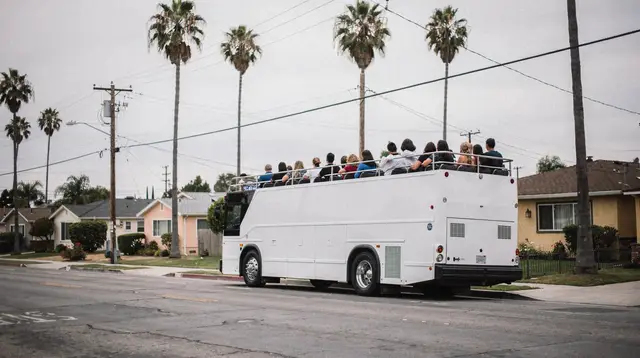
For a broader look at the coastline beyond the pier, a guided beaches and celebrity homes tour up toward Malibu covers ground that’s slow and awkward to piece together without a car. Travelers based further inland can instead pick up a Malibu beaches and celebrity homes excursion departing from Santa Monica, using the town as the pickup point rather than the destination.
On the sand itself, a set-up beach picnic on Santa Monica State Beach is a low-effort way to spend an afternoon by the water without hauling gear, while a surfboard and wetsuit rental suits anyone who wants to get in the water rather than just look at it — worth remembering the ocean stays cold, hence the wetsuit. For a more active, boardwalk-flavored outing that bridges the two towns, a skateboarding lesson along the Venice and Santa Monica boardwalk is a genuinely local way to spend a couple of hours.
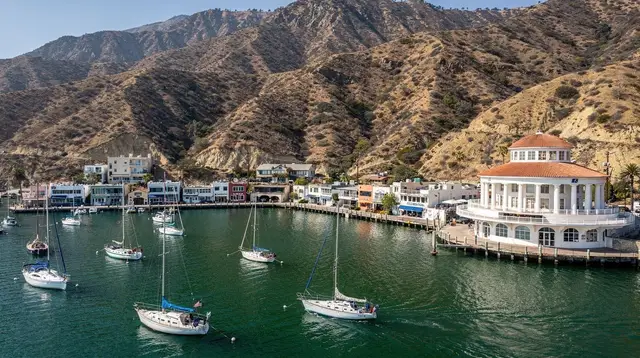
Two indoor options work well as a backup on a grey morning before the marine layer clears: the Museum of Illusions entry ticket, and a lighter, food-focused ice cream and gelato tasting tour that works at any hour. For a splurge day, a helicopter transfer to Catalina Island departs from the area for those short on time but not on budget.
Where Santa Monica fits in a wider LA trip
For visitors staying primarily downtown or near Hollywood, Santa Monica is usually the single beach day worth building in, precisely because it’s the one reachable without a car. For visitors who do have a car and more time, it works better as a base: from here, both Venice Beach and Malibu are short drives, and it’s a reasonable staging point for a broader look at the LA beaches and even, with a longer day, Catalina Island via a coastal harbor.
Compare it directly against its closest rival with Santa Monica vs Venice Beach, and check where to stay in Los Angeles by itinerary if deciding whether to base a whole trip near the coast rather than downtown or in Hollywood.
For activity planning beyond what’s listed here, the region-wide things to do in Santa Monica page and the water sports and boat cruises categories cover more specific options, and tools/best time and the interactive Los Angeles map are useful for sanity-checking a wider Southern California route.
Santa Monica: frequently asked questions
Can you visit Santa Monica without a rental car?
Yes — Santa Monica is the one major LA beach town with direct rail access, via the Metro E Line from Downtown Los Angeles. It’s realistic to spend a full beach day here using Metro and rideshare alone, without renting a car.
How does Santa Monica differ from Venice Beach?
They sit right next to each other, but the atmosphere is different: Santa Monica is polished and family-oriented, centered on its pier, promenade and amusement rides, while Venice Beach is more countercultural, known for its boardwalk performers, Muscle Beach and the Venice Canals. Many visitors walk or bike between the two in the same day.
Is Malibu walkable from Santa Monica?
No. Malibu is a separate town further up the coast, with no Metro service and limited pedestrian infrastructure; getting there realistically requires a car or a rideshare along the Pacific Coast Highway, typically 30-50 minutes depending on traffic.
Will the morning be sunny at the beach?
Not reliably, especially in late spring and early summer. Coastal mornings are frequently overcast under the marine layer nicknamed May gray and June gloom, usually clearing by early or mid-afternoon. Late summer through early autumn tends to bring clearer mornings more consistently.
Is the ocean warm enough to swim in Santa Monica?
The Pacific Ocean here stays cool year-round, even in summer — it isn’t a warm swimming sea. Sunbathing and beach activities are the main draw; a wetsuit is standard for extended time in the water.
Is parking near the beach free?
No. Expect paid parking structures and metered street spaces near the pier and promenade, with prices and availability tightening on warm weekends. Arriving by Metro E Line avoids the issue entirely.
How many days should I spend in Santa Monica?
One full day covers the pier, beach and promenade comfortably. Two days allow an easy extension to Venice Beach on foot or by bike, or a separate day trip up to Malibu by car.
Do I need to book beach activities like surf lessons in advance?
It’s advisable, particularly in summer. Time-slotted activities such as lessons, rentals and guided tours can fill for popular windows, so booking a day or two ahead is a safer approach than expecting a walk-up spot.