Catalina Island Water Sports: Jet Ski, Paddle and Snorkel at Avalon
Can you do water sports at Catalina Island on a day trip from Los Angeles?
Yes, but only by booking a boat or helicopter crossing in advance, since there is no road or rail link to the island. The crossing runs roughly an hour each way, so most visitors block a full day for water sports at Avalon rather than a quick half-day stop.
Why Catalina Island is not just another LA beach
Anyone comparing water sports at Laguna Beach, Newport Beach or Carlsbad to a jet ski or paddle session at Catalina Island is really comparing two different kinds of trip. Those mainland beach towns sit on the Pacific Coast Highway corridor: park the car, walk to the sand, and leave whenever the day is done.
Catalina Island is a separate island roughly off the Southern California coast, and there is no road, bridge or rail line that reaches it. The only ways across are a passenger boat from the mainland or a scheduled helicopter flight. That single fact changes almost everything about how a Catalina water sports day should be planned, from timing to booking to what to pack.
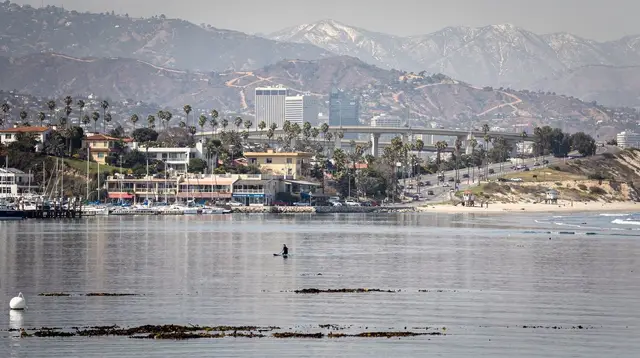
The island’s one real town, Avalon, is a compact harbor community that functions as its own small destination rather than a satellite of the LA coastline. Most of the operators renting jet skis, running boat tours, or organizing snorkeling and other on-water activity are based right around the Avalon harbor front, within easy walking distance of the ferry landing. That concentration is convenient once you arrive, but it also means the crossing itself is not a minor detail to sort out at the dock — it is the first and most important booking of the day.
The crossing is the trip: what to expect getting there
Ferries to Catalina Island run from a handful of mainland ports, primarily around Orange County and Long Beach, with San Pedro being a common departure point. In rough order of magnitude, the crossing takes about an hour each way, though the exact time depends on the specific route and sea conditions on the day. That means before factoring in any water sports at all, a round trip already accounts for roughly two hours of travel, sandwiching whatever time is spent on the island itself.
This is the detail that most trips comparing Catalina to a continental beach get wrong. A jet ski session at Huntington Beach or a paddle morning at Manhattan Beach can be squeezed into two or three free hours on a wider Los Angeles itinerary. A Catalina Island water sports outing cannot realistically be compressed the same way. Between the outbound crossing, time to reach a rental counter or tour meeting point in Avalon, the activity itself, and the return crossing, most visitors should plan on blocking at least half a day, and a full day is the more comfortable and common choice, particularly for a first visit.
A helicopter is the faster alternative to a boat, cutting the crossing time significantly, though it comes at a higher cost and with its own scheduling and weight or luggage limits. Travelers weighing the flight against a ferry can look at what an aerial helicopter crossing to Avalon covers before deciding which mode fits their day.
Why booking the crossing early matters
Both the ferry crossing and on-island water sports operators work on limited daily capacity, and that capacity tightens considerably in summer, on weekends, and around US holidays. A boat that has open seats on a quiet Tuesday in spring can be booked solid days ahead in July. The practical implication is straightforward: decide on a date, then book the crossing and any jet ski, parasailing or boat tour slots for that date as early as the itinerary allows, rather than assuming something will be available on arrival.
Visitors who want the crossing itself as the centerpiece, rather than a means to reach a rental counter, can look at a dedicated boat trip from San Pedro to Catalina Island that frames the journey as part of the experience.
What water sports and on-water activity actually look like at Avalon
Once across, the activity mix around Avalon leans toward boat-based and near-shore experiences rather than the wide, flat sandy stretches that support jet ski and paddleboard rental chains on the mainland. Avalon’s harbor is protected and scenic, but the coastline around much of the island is rockier and more exposed than a typical LA beach, which shapes what is practical and where.
Boat tours are the most straightforward way to see the island’s coastline and marine life without needing your own watercraft experience. A trip built around spotting dolphins and sea lions along the coast is a common choice for visitors who want time on the water without renting equipment themselves. For a different angle on the same waters, a semi-submarine cruise that views the underwater kelp forest lets non-divers see much of what makes the island’s marine environment distinctive, from a dry, glass-hulled boat rather than in the water directly.
Beyond the water itself, Catalina’s interior and coastal bluffs support activity that pairs naturally with a water sports day, since most of it is also based out of Avalon.
A guided tour into the island’s interior covers terrain most day visitors never see from the harbor front, and operators running bluff-top horseback rides above the coastline give a different vantage point on the same water that jet ski and boat tour operators cover from below. None of these require the whole day, which makes it realistic to combine one land-based activity with a shorter water-based outing if the schedule allows.
Jet skis, parasailing and other on-water options at Avalon
For visitors who want to be the one driving rather than watching from a boat deck, jet ski rental is available right around the Avalon harbor front, typically bundled with the shuttle needed to reach the launch point rather than a straightforward walk-up rental. A jet ski rental with shuttle service is the closest Catalina equivalent to the beach-front jet ski stands found at mainland spots like Huntington Beach or Long Beach, though the logistics around getting to and from the launch point are a bit more involved given Avalon’s harbor layout.
Parasailing is another way to see the coastline from above the water rather than on it, and it is one of the more popular on-water bookings at Avalon precisely because it does not require any prior experience. Options range from a standard parasailing adventure over Avalon’s harbor and coastline to a similarly framed parasailing experience run by a different operator — worth comparing on timing and length before booking, since availability on any single slot can be tight in peak season.
Evenings bring a different kind of water activity that is easy to miss when planning only around daytime jet ski and boat tour bookings. A nighttime flying fish cruise uses onboard lights to draw flying fish to the surface around the boat, a sight that is specific to Catalina’s waters and unlike anything on offer at the mainland beach towns.
Because it runs after dark, it pairs naturally with a full day trip that already includes a morning or afternoon on the water, rather than replacing one of those activities — though it does mean planning for a later return crossing, or an overnight stay in Avalon, since same-day round trips built around an early return ferry will not leave room for it.
Taken together, the mix of jet ski rental, parasailing, boat tours and the after-dark flying fish cruise means a single Catalina visit rarely needs to be limited to one on-water activity. The constraint is not a shortage of things to do around Avalon — it is the crossing schedule and the advance booking each activity requires, which is why deciding on a rough plan before the ferry departs matters more here than on a typical mainland beach day.
Pairing a land-based tour with time on the water
Because Avalon is so compact, it is realistic to combine a shorter on-water activity with something on land without losing most of the day to transit between them. Visitors curious about the island’s history and quieter corners beyond the harbor front sometimes add a guided scavenger hunt built around the island’s history either before or after a water sports booking, since it is based in and around Avalon itself rather than requiring separate transport.
For visitors who prefer a driven tour to walking, a private golf cart tour with a driver-guide covers viewpoints above the harbor that are otherwise a longer walk from the ferry landing, and works well as a shorter add-on around a half-day water activity rather than a full day commitment of its own.
None of this changes the core planning logic: the crossing is the fixed cost of the day, and everything else — jet ski, parasailing, a boat tour, a land-based add-on — gets scheduled around it, not the other way around.
The water is colder and windier than it looks
One assumption that catches out visitors used to a warm ocean is applying it to Catalina. The Pacific along the wider Los Angeles coastline runs cool year-round rather than warm like a Mediterranean beach destination, and that holds around Catalina too — in some spots the exposure to wind and current can make it feel cooler still than a sheltered mainland cove. Layer this on top of the island’s more exposed points and channels, where wind tends to be more persistent than in Avalon’s protected harbor, and it becomes clear why many snorkeling and extended water-time operators recommend a wetsuit even in the middle of summer.
Wind and swell are not just a comfort issue either. They are the main reason a Catalina crossing or a scheduled water activity can be delayed, adjusted or cancelled outright. Ferry operators and tour companies plan around forecast conditions, but conditions on the day can still shift, and a booking is not a guarantee against a rough crossing or a cancelled slot. Building a small amount of slack into the day, rather than scheduling a tight connection immediately after returning to the mainland, is a sensible precaution rather than an overreaction.
Comparing Catalina to the mainland beach towns
| Factor | Catalina Island / Avalon | Mainland beach towns (Laguna, Newport, Carlsbad) |
|---|---|---|
| How you get there | Ferry (~1 hour) or helicopter only | Drive or rideshare |
| Minimum time to budget | Half day, more often a full day | A few hours |
| Booking urgency | Crossing + activities both need advance booking, especially summer | Often walkable rentals, less advance planning needed |
| Water character | Cooler, more wind at exposed points | Generally more sheltered, still cool by non-local standards |
| Typical activity style | Boat tours, semi-submarine, land + water combinations | Jet ski, paddleboard, surf lessons directly off the sand |
| Cancellation risk | Higher — tied to crossing conditions, not just the activity itself | Lower — no crossing dependency |
Building Catalina into a wider Los Angeles trip
Because the crossing anchors the whole day, Catalina Island water sports work best as a standalone day within a longer Los Angeles or Southern California itinerary, rather than one stop among several on a single busy day. Visitors piecing together a broader plan can look at a two-day Orange County and Catalina itinerary that pairs the island with mainland time, or read a general guide on taking a Catalina Island day trip from Los Angeles for logistics beyond water sports specifically.
For travelers still deciding whether the island fits their trip at all, it helps to see it alongside other on-water options along the coast, such as whale watching from Los Angeles or the broader spread of Southern California boat cruises, before committing a full day to the crossing.
Those based near Long Beach or the South Bay will generally find the shortest run out to a departure port, while visitors staying near Downtown LA or Hollywood should factor extra driving time into an already crossing-heavy day. A stay closer to Newport Beach or Dana Point can also shorten the drive to a departure port considerably compared with starting from central LA.
Frequently asked questions about Catalina Island water sports
Can you drive to Catalina Island?
No. There is no bridge, causeway or rail connection between the mainland and Catalina Island. The only ways to reach it are a passenger ferry from ports in Orange County or Long Beach, or a scheduled helicopter flight.
How long does the boat crossing to Catalina Island take?
In rough order of magnitude, about an hour each way, though the exact time varies by departure port and sea conditions. A round trip alone can take two hours or more before any time is spent on the island.
Do I need to book Catalina Island water sports in advance?
Yes. Both the crossing and on-island activities such as boat tours, jet ski rentals or parasailing fill up, especially in summer, so advance booking is strongly recommended over assuming walk-up availability.
Is the water around Catalina Island warm?
It runs cooler than many visitors expect, and can be windier around the island’s exposed points than around a sheltered mainland cove. A wetsuit is common for snorkeling or extended water time even in summer.
Can a boat crossing to Catalina Island be cancelled?
Yes. Wind, swell or mechanical issues can delay, alter or cancel a crossing, and rough conditions can also affect comfort on the way over. A booking does not guarantee smooth or unaffected conditions.
Is Catalina Island a beach day or a separate destination?
It functions as a separate island destination rather than an extension of the LA beach coastline. Reaching it requires its own transport booking, and most visitors plan for at least half a day, often a full day.
What is the main town on Catalina Island called?
Avalon. It is the small harbor town where ferries and the helicopter dock, and where most water sports operators, tour companies and dive shops are based.
What water sports are available at Catalina Island?
Options around Avalon typically include boat tours, semi-submarine or glass-bottom style cruises, dolphin and sea lion watching trips, and other on-water and near-shore activities, often combined with land-based tours of the island’s interior.
Water Sports
Verified deep-linked GetYourGuide tours. Book through these links and we earn a small commission at no cost to you.
GetYourGuide does not provide a product photo for this activity — the image shows the meeting point, photographed by us.