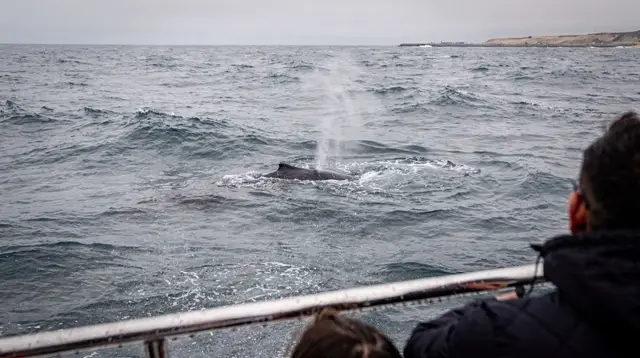
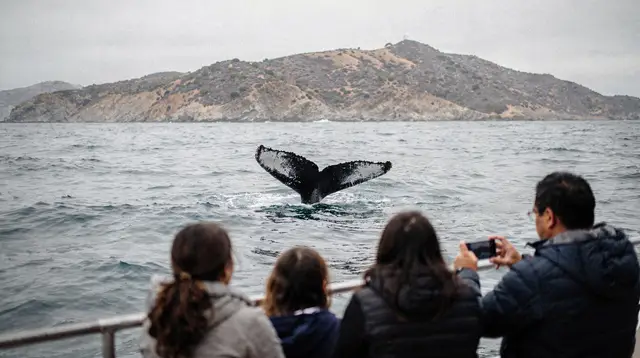
Whale Watching from Los Angeles: Marina del Rey, Long Beach & Redondo Beach
Where do whale watching boats leave from in Los Angeles?
Boats leave from three separate points inside Los Angeles itself: Marina del Rey, Long Beach and Redondo Beach in the South Bay. Each has its own marina and road access, and none of them is the same departure as Newport Beach, Dana Point or Catalina Island, which are covered separately since they sit further south.
Three different harbors, one stretch of coast
“Los Angeles” whale watching is not a single dock with a single boat. Three separate marinas along the Los Angeles coastline run whale and dolphin watching trips, and each one is its own piece of geography with its own road access: Marina del Rey just south of Venice Beach, Long Beach at the southern edge of the county near the port, and Redondo Beach in the South Bay, further down the coast toward Palos Verdes.
None of these is the same departure point as the whale watching trips covered separately for Newport Beach, Dana Point or Catalina Island, which sit further south in Orange County or out on the island itself and run their own boats on their own schedules.
The distinction matters for planning, not just for accuracy. If you are staying near Santa Monica or Venice, Marina del Rey is the closest option and avoids a long drive. If your itinerary already has you near the Queen Mary or downtown Long Beach, that harbor is the practical choice. If you are based in the South Bay or want a shorter run out to the deeper water off the Palos Verdes Peninsula, Redondo Beach is worth checking. None of the three is objectively “the best” whale watching spot in Los Angeles; they are simply different starting points along the same migratory corridor, and the operator, the boat and the day’s conditions usually matter more than which marina you leave from.
Nature cruise or sightseeing cruise — read the description, not just the boat
A second distinction is easy to blur and worth stating plainly: a boat that runs whale watching trips is often the same vessel that also runs sunset cruises, harbor tours or private charters. That does not make every trip on that boat a nature outing. A dedicated whale and dolphin watching cruise typically has a naturalist or marine biologist on board narrating sightings, a route aimed at open water where whales, dolphins and sea lions are more likely to appear, and a schedule tied to daylight and calmer sea conditions.
A general sightseeing or “luxury” cruise may pass wildlife along the way, sea lions hauled out on a buoy near the harbor mouth are a common incidental sighting, but its itinerary and pacing are built around the view and the experience on deck, not around finding whales.
a dedicated dolphin and whale watching boat trip departing the Los Angeles coast is built specifically around spotting marine life, with the route and commentary aimed at that goal. By contrast, a luxury cruise with wine, cheese and sea lion sightings along the way is really a scenic and social outing where sea lions are a bonus rather than the point of the trip; book it for the setting, not as a substitute for a nature-focused whale watch. Reading the actual trip description before booking, rather than assuming any boat labeled “cruise” behaves the same as one labeled “whale watching,” avoids a mismatch between what you expected and what the afternoon turns out to be.
Marina del Rey
Marina del Rey sits just south of Venice Beach and is one of the largest recreational harbors on the West Coast, which makes it a straightforward departure point if your base is anywhere on the Westside of Los Angeles. Getting there from Santa Monica or Venice is a short drive; from further inland, such as Hollywood or Downtown, allow real time for LA traffic rather than judging the trip by distance on a map. Parking is available around the marina, generally paid, and boats typically depart from designated docks that the operator specifies on the booking confirmation, so it is worth arriving with enough buffer to find the right slip.
Trips from Marina del Rey run into the open water beyond the harbor mouth, where dolphins are a fairly reliable sighting for much of the year and whales appear seasonally as they migrate along the coast. Because the marina itself is sheltered, the first part of any trip tends to be calm; conditions can pick up once the boat clears the breakwater, so passengers prone to seasickness should plan accordingly.
Long Beach
Long Beach is a separate city at the southern edge of Los Angeles County, built around one of the busiest ports on the West Coast, and its harbor character is noticeably different from Marina del Rey’s recreational marina feel. Whale and dolphin watching boats here share the waterfront with commercial shipping, the retired ocean liner Queen Mary and a working port, which gives a Long Beach trip a distinct backdrop compared with the other two departure points.
a whale and dolphin watching cruise departing Long Beach heads out past the breakwater into the San Pedro Channel, a stretch of water between the mainland and Catalina Island that sees regular dolphin activity and seasonal whale sightings, particularly during the winter gray whale migration. Long Beach is a reasonable base if your visit already includes the Queen Mary, the Aquarium of the Pacific or a Catalina Island ferry, since the whale watching dock, the ferry terminal and these other attractions sit within a short distance of one another along the same waterfront.
Redondo Beach and the South Bay
Redondo Beach, along with neighboring Manhattan Beach and Hermosa Beach, makes up the South Bay, a string of beach communities south of the LAX corridor and north of the Palos Verdes Peninsula. Whale watching boats from Redondo Beach’s harbor have a geographic advantage worth knowing about: the water off Palos Verdes tends to be deeper closer to shore than along other parts of the Los Angeles coast, which can put boats within range of migrating whales more quickly than a longer run from Marina del Rey or Long Beach.
That proximity does not change the basic rule that sightings are never guaranteed, but it is one practical reason some visitors specifically choose a South Bay departure over the other two. The South Bay is generally a quieter, more residential stretch of coast than Santa Monica or Venice, so if you are not already staying nearby, factor in the drive time from wherever you are based, particularly if returning during afternoon traffic.
Seasons, species and what to actually expect
Whale species seen off Los Angeles shift through the year, and no single month guarantees every species. Gray whales migrate past the coast heading south in winter (roughly December into February) and back north with calves in late winter and spring (roughly February into April), making that window the most consistently cited season for sightings from Los Angeles-area harbors.
Blue whales, the largest animals on Earth, are more associated with summer months when they feed off the Southern California coast, though their appearances are less predictable year to year than the gray whale migration. Dolphins, most commonly common dolphins, are present off Los Angeles for much of the year and are often the most reliable sighting on any given trip regardless of season, while sea lions are typically seen resting on buoys, breakwaters or docks near the harbors rather than actively “watched” at sea.
None of this amounts to a guarantee. Whales are wild animals on their own migratory timing, not a scheduled attraction, and a responsible operator will say so rather than promising a sighting. Many operators do offer a free return trip, a rain check or a partial refund if a boat sees no whales, but that policy varies by company and should be confirmed before booking rather than assumed. It is also worth being clear-eyed about the difference between a boat trip that reliably sees dolphins and sea lions near the harbor, which is close to a sure thing most of the year, and one specifically chasing whale sightings further offshore, which depends far more on season, weather and luck on the day.
Weather, sea conditions and cancellations
The stretch of ocean off Los Angeles can be calm for days and then turn choppy with comparatively little warning, particularly outside the summer months. Operators cancel or postpone trips when conditions are unsafe, and a cancelled trip is usually rebooked or refunded rather than run in rough seas, which is the right call even when it is disappointing to hear at the dock. Morning departures are common partly because winds and swell tend to build later in the day, so an early booking can mean a smoother ride as well as better light for photos.
Because trips run on a fixed schedule with limited capacity, book ahead rather than planning to walk up, especially for weekend departures or during the winter migration season when demand for whale watching rises noticeably. Check each operator’s specific weather and rebooking policy at the time of booking, since terms differ from one company to the next and change over time.
Combining a marine cruise with the rest of your Los Angeles trip
A whale or dolphin watching trip from Marina del Rey, Long Beach or Redondo Beach is easy to pair with other coastal plans without adding a separate driving day. From Marina del Rey, Santa Monica and Venice Beach are minutes away, making a morning boat trip and an afternoon on the pier or boardwalk a realistic combination; the three-day LA beaches itinerary covers that kind of pairing in more detail.
From Long Beach, the Queen Mary and the Catalina Island ferry sit close enough to fold into the same day, and travelers weighing a full day trip to Catalina Island sometimes choose a Long Beach whale watch as a lower-commitment alternative on a day when the ferry schedule does not fit. From Redondo Beach and the South Bay, the drive north to Los Angeles proper or south toward Orange County is straightforward outside peak traffic hours, so a morning on the water can still leave a full afternoon for other plans.
For travelers who want the broader picture of harbor and sightseeing cruises around the city, not limited to wildlife trips, the Los Angeles boat cruises guide covers that ground, while anyone drawn more to the coastline itself, tide pools, bluffs and easy walking trails, may prefer the Los Angeles hiking and nature guide as a land-based complement to a morning at sea.
If timing your trip around the strongest wildlife-watching season is the priority, the best time to visit Los Angeles by zone piece breaks down how coastal seasons differ from the desert or the hills. For a wider view of the activities available specifically around whale watching and marine tours across the region, the things to do: whale watching category page and the things to do in Long Beach page are useful starting points, and the general things to do in Los Angeles hub rounds out the rest of a coastal itinerary.
Comparing the three Los Angeles departure points
| Departure point | Best suited to | Character | Nearby to combine with |
|---|---|---|---|
| Marina del Rey | Visitors based on the Westside | Large, sheltered recreational marina | Santa Monica, Venice Beach |
| Long Beach | Visitors already near the port area | Working harbor beside the Queen Mary | Aquarium of the Pacific, Catalina ferry |
| Redondo Beach / South Bay | Visitors wanting proximity to deeper water off Palos Verdes | Quieter beach-town harbor | Manhattan Beach, Hermosa Beach |
Frequently asked questions about whale watching from Los Angeles
Which is better for whale watching: Marina del Rey, Long Beach or Redondo Beach?
None is consistently better; they are simply different marinas along the same coastline, and the operator and schedule matter more than the harbor. Redondo Beach and the South Bay sit closest to open water off Palos Verdes, Long Beach is convenient if you are already near the Queen Mary or the port, and Marina del Rey suits visitors staying near Santa Monica or Venice Beach.
Is whale watching from Los Angeles the same as from Newport Beach or Dana Point?
No. Those are separate Orange County harbors roughly an hour or more south of central Los Angeles, with their own boats and schedules, covered on their own guides. The species seen and the odds of a sighting depend on the season and the specific stretch of coast, not on which city name is on the ticket.
Am I guaranteed to see a whale?
No responsible operator guarantees a sighting on every trip, because whales are wild animals following their own migration timing. Many operators offer a free return trip or a partial credit if a boat sees nothing, but always check that policy before booking rather than assuming it applies.
What is the best time of year to see whales from Los Angeles?
Winter into spring, roughly December through April, is generally the strongest window for gray whales migrating along the coast, while blue whales and other species are more associated with summer months; exact timing shifts year to year, so ask the operator what has been seen recently before you book.
Is a whale watching cruise the same as a sea lion or dolphin cruise?
Not necessarily. Some boats run dedicated nature-watching trips focused on spotting whales, dolphins and sea lions with a naturalist narrating sightings, while others are general sightseeing or sunset cruises that may pass sea lions or dolphins incidentally. Read what a specific trip promises rather than assuming any boat on the water does the same thing.
Will the boat trip be cancelled for bad weather?
It can be. The ocean off Los Angeles can turn choppy with little warning, and operators cancel or reschedule trips for safety when conditions are too rough, particularly outside the calmer summer months. Book with flexible cancellation terms and expect that a last-minute change is possible.
Do I need to book in advance?
Yes, in practice. Whale and dolphin watching trips from Los Angeles marinas run on fixed schedules with limited seats, and popular departure times, especially weekends and the winter migration season, can sell out, so reserving ahead rather than turning up at the dock is the safer approach.
Whale Watching Trips
Verified deep-linked GetYourGuide tours. Book through these links and we earn a small commission at no cost to you.
GetYourGuide does not provide a product photo for this activity — the image shows the meeting point, photographed by us.