Catalina Island Whale Watching, Dolphins and Semi-Submarine Tours
Can you see whales from Catalina Island?
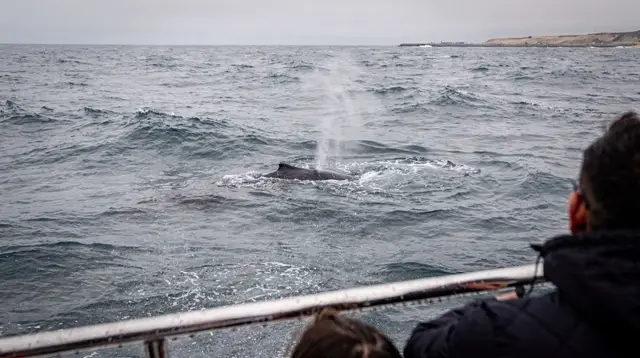
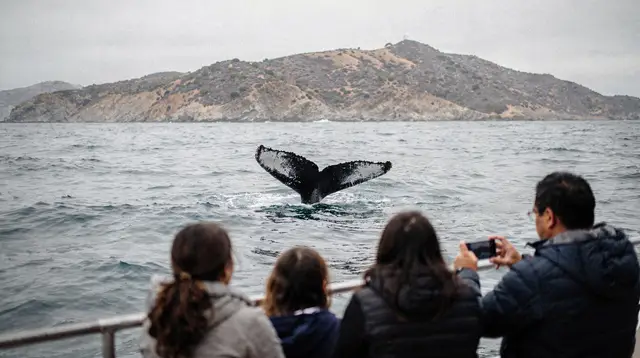
Sometimes, but dolphins and sea lions are the reliable sightings around Catalina Island. Whales are seasonal and never guaranteed, and boats based in Dana Point tend to have more consistent whale encounters during migration months.
Wildlife watching around Avalon: what’s actually on offer
Catalina Island sits about 22 miles offshore from Orange County, and getting there is a trip in its own right, by ferry or helicopter from the mainland, before any wildlife tour even begins. Once on the island, the waters around Avalon are known less for guaranteed whale sightings and more for a reliably active marine environment: dolphins traveling in pods, California sea lions hauled out on rocks and buoys, and an underwater kelp forest that supports a wide range of fish. Whales pass through these waters too, but the experience here is different in character from the boats that depart directly from the mainland coast.
This distinction matters because Catalina Island’s own whale watching trips are frequently confused with the mainland-based tours out of Los Angeles, Newport Beach and Dana Point.
Those mainland ports sit closer to the primary north-south migration corridor that gray whales and blue whales follow along the Southern California coast, and their operators run trips specifically timed to intercept that traffic. A boat working the waters immediately around Catalina Island is not chasing the same corridor in the same way, so its wildlife encounters lean more heavily toward the resident dolphins and sea lions than toward migratory whales.
None of this means whales are absent from Catalina’s waters. It means expectations should be set correctly: come for dolphins and sea lions as the dependable sighting, and treat any whale encounter as a bonus rather than the point of the trip.
Getting to the island before the tour even starts
Before booking a Catalina Island boat tour, factor in the crossing itself. Ferries run from San Pedro, Long Beach and, seasonally, Dana Point, with the crossing typically taking about an hour each way. A helicopter option exists for those who want to skip the boat ride over and arrive in minutes rather than an hour, landing near Avalon.
Either way, this transportation leg is separate from the on-island wildlife tour and needs its own booking and its own slot in the day’s schedule. Trying to combine a tight ferry schedule with a same-day whale watching or semi-submarine booking on Catalina Island leaves little room for delay, so most visitors either stay overnight in Avalon or build in a generous buffer between the ferry’s arrival and the tour’s departure time.
The Nautilus semi-submersible: underwater views without diving
One of the most distinctive ways to see marine life around Catalina Island doesn’t involve getting wet at all. A semi-submersible vessel has a lower deck built below the waterline, fitted with large windows, so passengers sit dry and look directly into the kelp forest and the fish moving through it. The Santa Catalina Island Nautilus Semi Submarine Cruise runs this kind of trip out of Avalon, giving a close look at Catalina’s famous underwater garibaldi fish, kelp beds and occasional larger visitors, without any swimming or snorkeling gear required.
It’s worth being precise about what this is and isn’t. A semi-submersible is not scuba diving, and it isn’t snorkeling either. There’s no equipment, no getting in the water, and no direct contact with the marine environment; visibility depends entirely on what the windows can show that day, which is affected by light, water clarity and how much marine life happens to be nearby. For visitors who want an easy, dry way to glimpse the underwater world, it’s an excellent fit. For those hoping for an actual diving or snorkeling experience, this tour won’t deliver that, and a separate dive or snorkel excursion would be the better match.
Boat tours for dolphins, sea lions and the occasional whale
For above-water wildlife, several boat tours run from Avalon’s harbor. The Catalina Island: Dolphin and Sea Lion Boat Tour is built around exactly the sightings the island’s waters deliver most consistently: pods of common dolphins that often ride a boat’s bow wave, and California sea lions resting on rocky outcrops and channel buoys close to shore. Crews on these trips are experienced at spotting activity and adjusting course, but they are working with wild animals, and no operator can promise what will surface on any given day.
Those arriving from the mainland can combine the crossing itself with wildlife viewing on the way. The San Pedro to Catalina Island Boat Adventure covers the transportation leg from the mainland while keeping an eye open for marine life en route, which suits visitors who want to make the crossing itself part of the experience rather than a plain ferry ride.
For a broader look at the island beyond wildlife specifically, the Catalina Island: Inside Adventure Tour mixes coastal and inland stops, giving context to the island’s ecology alongside its history and geology, useful for visitors who want one tour to cover more ground on a single-day visit.
Comparing where to book: island-based versus mainland-based trips
| Departure point | Typical wildlife focus | Trip length | Best for |
|---|---|---|---|
| Avalon, Catalina Island | Dolphins, sea lions, occasional whales | 1-2 hours | Visitors already on the island |
| Dana Point | Gray whales (winter/spring), blue whales (summer) | 2-3 hours | Dedicated whale watching, mainland stay |
| Newport Beach | Similar migratory whale focus to Dana Point | 2-3 hours | Mainland stay near Orange County |
| Los Angeles-area ports | Mixed, seasonal | 2-4 hours | Visitors based in the city itself |
This is a general pattern rather than a fixed rule; sightings vary day to day everywhere along this coast. But if a whale sighting is the primary goal of a trip rather than a hoped-for extra, a dedicated mainland departure timed to peak migration months gives better odds than a Catalina-based excursion.
Seasonality: when whales might appear near Catalina
Whale migration along the Southern California coast follows a rough seasonal pattern. Gray whales travel south past the coast roughly from December through February and back north from around February through April, moving relatively close to shore. Blue whales, along with humpback whales, are more common in the warmer months, roughly June through September, feeding further offshore. Since Catalina Island sits out in the channel rather than directly on the mainland coastal shelf, encounters with either species are less predictable there than on trips departing straight from Dana Point or Newport Beach, which sit closer to the routes these whales tend to follow.
Dolphins, by contrast, are present around Catalina’s waters throughout the year, which is part of why boat operators there build their trips around dolphin and sea lion sightings as the dependable centerpiece rather than around whales specifically.
What a typical trip looks and feels like
Boat tours from Avalon’s harbor generally run one to two hours, departing several times a day depending on the operator and the season. Conditions on the water are usually a few degrees cooler and breezier than on land, even on a warm afternoon, so a light jacket or windbreaker is worth having even in summer. Sun protection matters too: there’s little shade on most of these boats, and reflected glare off the water adds to sun exposure.
Because these trips depend on the ocean itself, weather and sea conditions can affect departures. Rougher seas may shorten a route, change which areas a boat can safely reach, or in some cases lead to a trip being postponed. Booking in advance is recommended, particularly during summer weekends when demand for boat tours out of Avalon is highest and capacity is limited.
Nearby activities worth pairing with a wildlife tour
Since a trip to Catalina Island already involves the ferry or helicopter crossing, many visitors build a fuller day or overnight stay around the wildlife tour. Avalon itself has a walkable harbor town with the historic Casino building, snorkeling and kayaking options, and hillside views.
For those who prefer to stay on land and look toward the water instead, hiking trails above Avalon offer wide views back over the channel where dolphins and, occasionally, whales can sometimes be spotted from shore. Those interested in a broader look at the island’s terrain rather than its marine life might also consider adventure sports options or a scenic drive-style tour of the island’s interior.
Visitors planning their trip from scratch may want to start with the Catalina Island destination overview for logistics on ferries, helicopters and where to stay, or check the Catalina Island day trip guide for advice on timing a single-day visit from Los Angeles.
Los Angeles vs Dana Point vs Newport Beach for whale watching
Visitors torn between basing a whale watching trip on Catalina Island or from the mainland should think about what matters more: the island experience itself, or the best possible odds of a whale sighting. A Los Angeles-based whale watching trip typically departs from harbors like San Pedro or Long Beach, similar in character to Catalina Island departures but slightly closer to the migratory corridor.
Dana Point and Newport Beach, further south in Orange County, are generally considered the strongest bets in the region for consistent whale sightings during peak migration windows, precisely because of their position relative to the whales’ preferred route.
Choosing Catalina Island’s own boat tours makes the most sense for visitors already staying on or visiting the island, who want a wildlife experience woven into that visit rather than a separate dedicated whale watching day from the mainland.
Practical booking tips
Reserve boat tours and the semi-submersible cruise ahead of time, especially for summer travel, since capacity on each departure is limited and popular time slots fill first. Check the day’s sea conditions and any operator updates before heading to the harbor, since maritime weather can shift trip timing or routes on short notice. Pair the wildlife tour with the ferry or helicopter schedule carefully, leaving enough buffer time on both legs of the crossing so a delay on one doesn’t cause a missed booking on the other.
Frequently asked questions about Catalina Island whale watching and semi-submarine tours
Is whale watching guaranteed on a Catalina Island boat tour?
No. Boat crews are skilled at finding wildlife, but whales are wild animals on their own migration schedule, and no operator can promise a sighting on any given trip.
What is the difference between a semi-submersible and scuba diving?
A semi-submersible is a boat with a lower viewing deck below the waterline, so passengers stay dry and see underwater life through windows. It does not involve getting in the water and is not a substitute for a scuba or snorkel excursion.
How do I get to Catalina Island for a whale watching or semi-submarine tour?
Catalina Island is reached by ferry or helicopter from the mainland, most commonly from San Pedro, Long Beach or Dana Point. This crossing is a separate trip in its own right and should be booked and timed before the on-island tour.
What wildlife can I realistically see around Avalon?
Dolphins and California sea lions are seen regularly in the waters around Avalon and Catalina Island. Whales, flying fish and other species appear at times but far less predictably.
Is Catalina Island whale watching the same as Dana Point whale watching?
No. Trips from Dana Point and Newport Beach depart from the mainland and often follow the migratory routes of gray whales and blue whales more closely, which tends to produce more whale sightings during peak season than trips based around Avalon.
Do I need to book Catalina Island boat tours in advance?
Yes. Boat capacity is limited and trips depend on sea conditions, so advance booking is strongly recommended, particularly in summer and on weekends.
What should I bring on a Catalina Island boat or semi-submarine tour?
A light jacket or windbreaker, sunscreen, sunglasses and a camera are sensible for any boat trip on the water; conditions can feel cooler and breezier than on land even on a warm day.
Whale Watching Trips
Verified deep-linked GetYourGuide tours. Book through these links and we earn a small commission at no cost to you.
GetYourGuide does not provide a product photo for this activity — the image shows the meeting point, photographed by us.