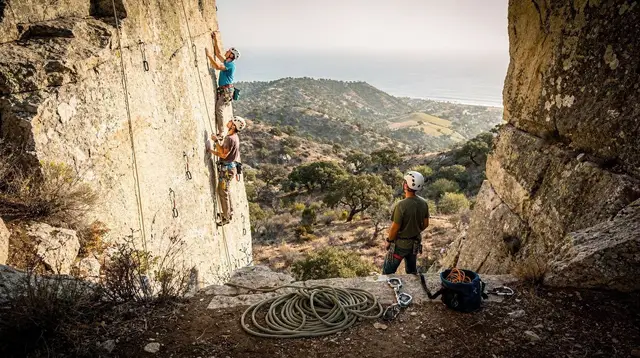
Catalina Island Adventure Sports: Getting There and What's Actually On the Island
Can you drive to Catalina Island for adventure sports, and are all the listed activities on the island itself?
No — Catalina Island is reached only by ferry, typically about an hour from Long Beach or Dana Point, with no bridge or road access. Some activities marketed under Catalina Island adventure sports are actually based on the mainland or aboard boats that depart from Southern California ports rather than physically taking place on the island.
Why Catalina Island Adventure Sports Work Differently From the Rest of LA
Most “adventure sports” pages for the Los Angeles region assume you can drive to the trailhead, the launch point, or the parking lot. Catalina Island breaks that assumption entirely. It sits roughly 35 kilometres off the Southern California coast, and the only way across is by boat — there is no bridge, no causeway, and no realistic way to get a rental car there. That single fact reshapes everything about how you plan an active day on the island, from how you book to what you can reasonably fit into a day trip.
This guide focuses specifically on the outdoor, active side of a Catalina visit: horseback riding along the island’s bluffs, off-road adventure driving, parasailing over the harbor, and boat-based wildlife tours around the coastline. It also flags something that trips up a lot of first-time visitors — not every activity marketed under a “Catalina Island” name is actually based on the island itself. Some depart from mainland ports like San Pedro and spend their time on the water approaching Catalina rather than putting you on its trails.
Getting to Catalina Island: The Ferry, Not the Freeway
Unlike almost anywhere else covered on this site, the first logistical question for Catalina Island isn’t which freeway to take — it’s which ferry terminal. The two main departure points for most Los Angeles-area visitors are Long Beach and Dana Point, both connecting to Avalon, the island’s only real town.
| Departure port | Approx. crossing time | Best for |
|---|---|---|
| Long Beach / San Pedro | ~60 minutes | Visitors based in Downtown LA, Long Beach, or the South Bay |
| Dana Point | ~60-75 minutes | Visitors based in Orange County, Newport Beach, or Dana Point itself |
A small charter flight to Avalon’s airfield exists but is expensive and rarely the practical choice for a standard visit — the ferry is the default for nearly everyone. In peak summer months and on weekends, ferry sailings and the more popular on-island tours can sell out, so booking the crossing and your key activities ahead of time is worth the small loss of spontaneity. Building slack into your schedule matters too: a missed morning sailing can eat hours out of a single day trip, so arriving at the terminal with margin is safer than cutting it close.
Avalon: A Small Town, Not a Beach Suburb of Los Angeles
Once you step off the ferry, you’re in Avalon, a compact harbor town of only a few thousand year-round residents. It is genuinely walkable — most restaurants, shops, and the small casino building that anchors the waterfront are within a few blocks of the pier — and it feels closer in spirit to a low-key coastal resort town than to any neighborhood of the sprawling Los Angeles basin. Golf carts, not full-size cars, are the everyday vehicle of choice for residents and some visitors, and a standard rental car simply isn’t part of the local picture the way it is on the mainland.
This matters for planning adventure activities: instead of driving yourself to a trailhead or a launch point, you’ll typically be picked up or meet a guide at a set location in or near Avalon, then travel by tour vehicle, on foot, or on horseback to wherever the activity actually happens. It’s a more organized, less self-directed style of exploring than a typical Los Angeles day out, and it suits travelers who don’t mind handing the logistics to a local operator for the day.
On the Bluffs: Horseback Riding
Horseback riding along Catalina’s coastal bluffs is one of the signature on-island adventure activities, and it’s worth understanding why it works so well here: much of the island’s interior is protected open land with limited road access, and horse trails reach terrain that would otherwise require a serious hike. Guided rides typically follow set routes along cliff-top trails with ocean views, suited to riders of varying experience levels, though most operators apply weight limits and minimum ages that are worth checking before booking.
For a shorter outing focused on scenic overlooks, a guided bluff-view horseback ride covers dramatic coastal terrain without requiring a full day. For visitors who want a slightly different route with its own overlook points, a horse trail ride to one of the island’s overlook points is a comparable alternative — both are genuinely on-island, guided, and don’t require any prior riding experience beyond basic comfort around animals.
Inland and Off-Road: The Island’s Interior
Beyond the coastal bluffs, Catalina’s rugged, largely undeveloped interior is best explored with an operator who has the vehicles and permits to get off the paved handful of roads around Avalon. An off-road adventure tour into the island’s interior typically covers terrain most visitors would never see on foot in a single day, often combining wildlife spotting (Catalina has its own population of bison, descended from a 1920s film shoot, along with foxes found nowhere else) with views back down over Avalon and the coastline.
This kind of tour is a good complement to a horseback ride rather than a substitute — the two cover different parts of the island and different paces, and together they give a much fuller sense of Catalina beyond its waterfront.
On the Water: Parasailing and Boat Tours
Catalina’s clear, relatively sheltered harbor water makes it a popular spot for parasailing, and the activity is offered directly out of Avalon. A parasailing flight over Avalon’s harbor gives an aerial view of the town, the coastline, and the water below, and is one of the more purely “adventure” activities available without leaving the immediate Avalon area. As with most water-based activities here, wind and swell conditions can affect whether a given day’s flights run on schedule, so it’s sensible not to book this as your only planned activity on a short trip.
Boat tours around the island’s coastline are another strong on-island option, and they double as a way to see marine wildlife that’s hard to spot from land. A boat tour focused on spotting dolphins and sea lions along the coast is a lower-intensity option that still counts as a genuinely active, on-the-water way to see the island, and it works well for travelers mixing an adventure-focused day with calmer sightseeing.
The Part Worth Reading Carefully: What’s Actually on the Island vs. What Isn’t
This is the detail that catches out a fair number of first-time visitors researching Catalina Island activities: not everything listed under a “Catalina Island” heading physically takes place on the island. Some tours depart from mainland ports — commonly San Pedro, sometimes other harbors around the Los Angeles and Orange County coastline — and either cruise toward Catalina without landing, or combine time on the water near the island with time based on the mainland itself.
A boat adventure departing from San Pedro toward Catalina’s waters is a clear example: it’s a genuinely enjoyable way to experience the coastline and the approach to the island by water, but it is not the same product as a tour that lands you in Avalon and puts you on a trail or in a saddle. If your goal for the day is specifically to set foot on Catalina Island, check the tour’s stated itinerary and departure point before booking — “Catalina” in a tour’s title doesn’t automatically mean you’ll be standing on the island at any point.
This isn’t a reason to avoid mainland-departure boat tours; some travelers specifically want a shorter Los Angeles-area boat experience without committing to a full ferry crossing and a day on Catalina. It’s simply a distinction worth making deliberately rather than discovering after the fact.
Planning a Realistic Adventure Day on Catalina
Given the ferry crossing eats roughly two hours of round-trip travel time before any activity starts, a single-day visit to Catalina works best when built around one or two adventure activities rather than an ambitious list. A common, workable structure looks like this:
| Time block | Typical activity |
|---|---|
| Morning | Ferry from Long Beach or Dana Point to Avalon |
| Midday | One core adventure activity — horseback ride, off-road tour, or parasailing |
| Afternoon | A second, lower-intensity activity (boat tour) or time exploring Avalon on foot |
| Evening | Return ferry to the mainland |
Travelers with more time can stay overnight in Avalon and spread activities across two days, which removes the pressure of catching a specific return sailing and allows for an early-morning or late-afternoon activity when light and wildlife activity are often at their best. Either way, the ferry schedule — not a driving route — is the backbone of the day, and it’s worth checking current sailing times before locking in tour bookings around it.
Where Catalina Island Fits in a Wider Los Angeles Trip
Catalina Island pairs naturally with time in Orange County, since Dana Point ferries put it within easy reach of a coastal Orange County stay, and with Newport Beach or Dana Point as a base. For a structured two-day plan that combines the island with the mainland coast, the two-day Orange County and Catalina itinerary lays out a workable sequence. If you’re deciding whether a Catalina day trip is worth the ferry time at all versus staying on the mainland, the Catalina Island day trip guide covers that trade-off directly.
Beyond the activities covered here, Catalina also has strong options for hiking and nature, general boat cruises, other water sports, whale watching, private tours, broader sightseeing tours, and even ghost and true crime tours around Avalon’s older buildings, for travelers who want to round out an island day beyond pure adventure sports.
Frequently Asked Questions About Catalina Island Adventure Sports
Can I drive to Catalina Island?
No. There is no bridge, causeway, or road to Catalina Island. The only way across is by boat, most commonly a ferry from Long Beach or Dana Point, or by a short flight to Avalon’s small airfield for a fee that most visitors skip in favor of the ferry.
How long is the ferry to Catalina Island?
The crossing from Long Beach or San Pedro to Avalon runs roughly an hour, sometimes a little more depending on sea conditions and the specific route. Departures from Dana Point, further south in Orange County, are also around an hour and useful if you are already based near Newport Beach or Laguna Beach.
Do I need a car on Catalina Island?
No, and in practice you cannot simply rent one on arrival. Avalon is small enough to walk, golf carts are the common local runabout for residents and some visitors, and most adventure activities outside town are reached by organized tour transport, on foot, or on horseback rather than by a rental car.
Are all Catalina Island adventure activities actually on the island?
Not all of them. Several tours sold under a Catalina Island label depart from mainland ports such as San Pedro, or combine time on the water around the island with time based in Los Angeles or Orange County. Read the tour description carefully for the departure point before assuming a listing puts you physically on Catalina’s trails.
What is Avalon like compared to mainland Los Angeles?
Avalon is a small harbor town of a few thousand year-round residents, with a walkable waterfront, low-key nightlife, and a noticeably slower pace than the mainland. It has more in common with a small coastal resort town than with any part of the sprawling Los Angeles basin, and most shops and restaurants cluster within a few blocks of the pier.
Is Catalina Island horseback riding suitable for beginners?
Most operators run guided rides on well-mannered trail horses along set bluff and overlook routes, which are generally suitable for first-time riders as well as experienced ones, though weight limits and minimum ages are common. Check the specific tour’s requirements before booking, since they vary by operator and route difficulty.
What happens to outdoor activities on Catalina Island if the weather turns?
Water-based activities such as parasailing and boat tours are the most weather-dependent and can be delayed, shortened, or cancelled in high wind or swell, with most operators offering a refund or reschedule in that case. Land-based activities like horseback riding are more resilient but can still be affected by heavy rain, so it is worth booking with some slack in your schedule rather than on your only day on the island.
Should I book Catalina Island activities in advance?
Yes, particularly in the busier summer months and on weekends, when both ferry crossings and popular tours such as horseback rides and boat excursions can sell out. Booking ahead also means you are not planning your on-island time around whatever happens to have space left after you arrive.
Adventure Sports
Verified deep-linked GetYourGuide tours. Book through these links and we earn a small commission at no cost to you.
GetYourGuide does not provide a product photo for this activity — the image shows the meeting point, photographed by us.