One Day in Downtown LA and Koreatown, Without a Car
Can you visit Downtown LA and Koreatown in one day without a car?
Yes. Downtown LA and Koreatown sit a few stops apart on LA Metro's Red and Purple Lines, which makes this one of the few genuinely car-free days in the region. Expect a transfer rather than a single direct ride, and treat it as a self-contained city day rather than a template for the rest of a Los Angeles trip.
Why this day works without a car
Los Angeles is a sprawling metropolis without a single centre, and almost every other itinerary in this region assumes a rental car by default. This one is the exception. Downtown LA (DTLA) and Koreatown are both served by LA Metro, with the Red and Purple Lines running through Downtown’s transit hubs and continuing to the Wilshire/Vermont and Wilshire/Normandie stations in the heart of Koreatown. That proximity, unusual for the wider LA basin, is what makes a car-free day here realistic rather than aspirational.
It is worth being precise about what this format actually covers. It links two adjacent districts on one transit corridor; it does not extend to the beaches, Hollywood, the Getty Center or the desert, all of which sit well outside convenient Metro reach and are covered by other guides in this itineraries section, most of which assume a car. Treat today as a self-contained exception, not a preview of what the rest of a Los Angeles trip will feel like on foot and rail.
This day also takes a different angle from one day: Hollywood and the Hollywood Sign, which is built around a view and pop-culture landmarks reached mostly by car or rideshare. Today’s focus is architecture, markets and food: the historic core of Downtown LA in the morning, then Koreatown’s dense restaurant scene in the evening, connected by a short Metro ride with one transfer.
Where a trip is based matters more than usual for a day built this way: staying in Downtown LA itself, rather than Hollywood or the Westside, cuts down the Metro time needed before the day even starts. The Downtown LA vs Hollywood comparison elsewhere on this site covers that trade-off in more detail, and pairs well with the broader question of whether LA’s Metro network covers enough of the city to be useful beyond this one corridor.
Day 1: Downtown LA and Koreatown
Morning: Union Station and the historic core
Start at Union Station, one of the last great train stations built in the United States and still LA Metro’s central hub. Its Mission Revival and Streamline Moderne halls are worth ten minutes on their own before heading out into the surrounding blocks.
From Union Station, walk toward the Downtown LA civic core: Olvera Street and the city’s original pueblo site, City Hall’s observation deck (when open to visitors), and the Broad and Walt Disney Concert Hall a little further west, both covered in more depth in this region’s museums and landmarks guide. If architecture is the draw, budget an extra hour here rather than rushing through.
For a guided read on how Downtown’s districts fit together, this is a natural point to bring in a structured walk:
a guided walking tour through Downtown LA’s historic core and Arts DistrictMidday: Grand Central Market and the Arts District
By late morning, head to Grand Central Market, a covered market hall dating to 1917 and now a mix of long-running stalls and newer kitchens — a reliable, inexpensive lunch stop and one of Downtown’s most reliably crowded spots by early afternoon, so arriving before 12:30 helps. It sits within easy walking distance of the Bradbury Building’s cast-iron atrium, worth a quick look from the lobby.
Those with an extra hour can extend south and east into the Arts District, Downtown’s warehouse-turned-gallery quarter, before looping back toward the Metro. Because Downtown’s blocks are genuinely walkable — unlike most of the wider LA basin — this is the one stretch of the day best covered entirely on foot.
Those who would rather have a guide walk them through the Arts District’s two flagship contemporary spaces, instead of wandering on their own, can add a focused version of this stop:
a Downtown LA arts tour taking in MOCA, The Broad and the Arts District’s Infinity RoomTreat this as a substitute for the free-wandering version above, not an addition to it — the midday window is tight enough that fitting in both is unrealistic.
For visitors who prefer a broader framing of the city before narrowing into neighbourhood detail, a half-day overview tour pairs well with an afternoon left free for Koreatown:
a half-day guided overview covering Downtown’s landmarks alongside other parts of the cityAfternoon: the Metro ride to Koreatown
From Downtown, the ride to Koreatown is not a single direct line — plan for a transfer. The most straightforward routing uses the Red or Purple Line from a Downtown hub station (Union Station, 7th St/Metro Center or Pershing Square, depending on where the morning ends) toward the Wilshire/Vermont or Wilshire/Normandie stations, both dropped directly into Koreatown. Check the current LA Metro map and real-time arrivals before setting off, since specific line pairings and transfer points can shift with service changes. Budget 25-40 minutes door to door including the wait for a connection, rather than assuming a same-line ride.
One point worth flagging clearly: this Metro link does not extend to the coast. Koreatown has no direct rail connection to Santa Monica, Venice or the South Bay, and reaching the beaches from here on the same day would mean a long ride, a transfer onto a different corridor, or a rideshare — not a simple extension of today’s route. If a beach afternoon is part of the trip, plan it as a separate day rather than tacking it onto this one.
Evening: Koreatown’s restaurant scene
Koreatown is one of the densest concentrations of Korean restaurants, grills and bakeries outside Korea itself, and evening is when it is at its best: barbecue houses with tabletop grills, late-opening bakeries, and a scene shaped by a large Korean-American community since the mid-20th century. Wilshire/Vermont and Wilshire/Normandie both put visitors within walking distance of a wide spread of restaurants without needing a further transfer.
Reservations help at the better-known barbecue spots on weekend evenings, but a wide range of good options — Korean fried chicken, hot pot, noodle counters — usually accept walk-ins. For a broader sense of what else this area covers, including its own take on Los Angeles food culture, it is worth building in an hour of unstructured wandering rather than fixing a single restaurant in advance.
Those wanting the wider city context before or after this focused day can pair it with a broader sightseeing pass; see this region’s comparison guide on how a Downtown/Koreatown day sits against Hollywood-focused alternatives, and the planning guide for sequencing it within a longer trip.
An alternative angle: one guided day instead of self-guided transfers
Visitors who would rather not plan the Metro transfer themselves can fold Downtown LA into a single guided walking-and-transit day:
a full-day walking and Metro tour linking Hollywood and Downtown LAThis runs a different loop than the Downtown/Koreatown pairing described above — it swaps Koreatown’s evening restaurant scene for Hollywood — so treat it as a genuine alternative for the day rather than a way to combine both. Pick the self-guided route above for the architecture-and-food focus on Koreatown, or this guided version if a fixed schedule and a guide’s commentary matter more than reaching Koreatown itself.
For an entirely different add-on — best treated as its own short outing rather than folded into today’s timing — an aerial view of Downtown’s skyline is covered by tours such as:
a Downtown LA skyline flight or a Downtown LA helicopter tour.
Getting the logistics right
| Segment | Mode | Approx. time |
|---|---|---|
| Union Station to Downtown core | Walking | 10-20 min |
| Downtown core to Grand Central Market | Walking | 10-15 min |
| Downtown hub to Koreatown (Wilshire/Vermont or Wilshire/Normandie) | Metro Red/Purple Line, with transfer | 25-40 min |
| Within Koreatown | Walking | 5-15 min per stop |
A single Metro fare is a flat $1.75 with free transfers within two hours, and a day pass caps at $5 — cheap enough that the fare itself is a non-issue; the real constraint is timing the transfer, not the cost. Check current fares and any service alerts before the trip, since routing details can change.
Los Angeles and this one-day format
It bears repeating: Los Angeles County runs to roughly 9.7 million residents spread across thousands of square kilometres, and most neighbourhoods that look close on a map are 30 to 60 minutes apart by car. Downtown LA and Koreatown are the exception precisely because they sit on the same short stretch of the Red and Purple Lines. Do not extend this no-car logic to a Hollywood-and-beaches day, a desert day, or an Orange County day elsewhere in this trip — those genuinely need a car or a rideshare budget, as covered in the transport guide and do you need to rent a car in Los Angeles.
Fitting this day into a longer trip
This one-day format sits comfortably inside several longer itineraries covered elsewhere on this site. It slots naturally into the two-day budget, no-car itinerary, which builds an entire short trip around exactly this kind of Metro-served day, and into the broader two-day first-timer itinerary as the urban half of a first visit.
Anyone stretching a longer stay and wondering what else counts as low-cost can check the free and low-cost things to do in Los Angeles roundup, and anyone unsure about walking through unfamiliar blocks after dark should read the safety and neighborhoods guide before finalising an evening route through Koreatown.
Downtown LA and Koreatown: frequently asked questions
Can you really do Downtown LA and Koreatown without a car?
Yes. Both districts sit on LA Metro’s Red and Purple Line corridor, with Downtown hub stations connecting to Wilshire/Vermont and Wilshire/Normandie in Koreatown. It is one of the few pairings in the Los Angeles region where a car-free day is genuinely practical rather than a compromise.
Is there a direct Metro line between Downtown LA and Koreatown?
Not quite — plan for a transfer rather than a single direct ride. Routing depends on which Downtown station the morning ends near, so it is worth checking LA Metro’s current map and real-time arrivals before setting off, and budgeting 25-40 minutes for the connection.
Can this day extend to the beaches afterward?
Not on the same rail line. Koreatown has no direct Metro connection to Santa Monica, Venice or the South Bay; reaching the coast the same day would require a separate transfer or a rideshare, so it is better treated as its own day.
Does this car-free approach work for the rest of a Los Angeles trip?
No — treat it as an exception. Downtown LA and Koreatown happen to sit on the same Metro corridor, but most of the wider region (the beaches, the desert, Orange County, Griffith Observatory) is not realistically reachable this way, and a rental car remains the practical default for the rest of a typical itinerary.
What is the best time to arrive at Grand Central Market?
Before around 12:30pm on weekdays helps avoid the heaviest lunch crush. It gets busy quickly once the Downtown office lunch crowd arrives, and stalls can have short queues by early afternoon.
Do you need reservations for Koreatown restaurants?
Only really for the best-known barbecue houses on weekend evenings. Much of Koreatown’s food scene, from fried chicken counters to noodle shops, comfortably accepts walk-ins, so a fixed reservation is optional rather than essential.
How much does this day cost in transit fares?
Very little. A single LA Metro fare is a flat $1.75 with free transfers within a two-hour window, and a day pass caps spending at $5 — the main planning constraint is timing the transfer correctly, not the fare cost.
Is Koreatown part of the city of Los Angeles?
Yes, unlike some nearby cities such as Beverly Hills or Santa Monica that are independently incorporated, Koreatown is a district within the City of Los Angeles itself, which is part of why it connects so directly to Downtown on the Metro network.
tours.1 days
Verified deep-linked GetYourGuide tours. Book through these links and we earn a small commission at no cost to you.
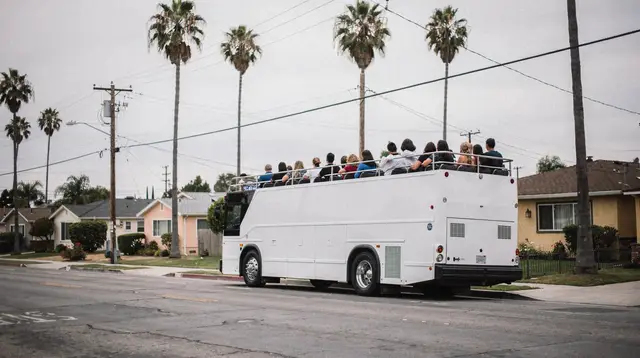
GetYourGuide does not provide a product photo for this activity — the image shows the meeting point, photographed by us.