Where Santa Barbara Fits on the Central Coast
Santa Barbara is a coastal city, not the wine country itself. That distinction matters for planning: the town sits directly on the Pacific, with a working harbor, a palm-lined waterfront and a compact downtown of red-tile roofs and whitewashed Spanish colonial buildings, while the vineyards most visitors picture when they hear “Santa Barbara wine country” are actually further inland, around the Santa Ynez Valley and Solvang.
Those two areas are a separate day trip from Santa Barbara itself, not a neighbourhood of it. A short drive south, the town of Ojai offers a quieter, more inland counterpoint — worth knowing about, but again a different kind of stop with a different pace.
Coming from Los Angeles, Santa Barbara is a genuinely coastal drive: allow around two hours via US-101, longer at peak traffic times leaving the LA basin. It is not a sub-hour trip, and framing it that way sets up a frustrating first hour on the road. Treat it as a proper half-day-each-way commitment if you’re doing it as a day trip, or better, build in at least one overnight so the drive doesn’t eat the whole visit.
Getting There and Getting Around
US-101 hugs the coastline for much of the route north from Los Angeles, passing through Malibu and Ventura before reaching Santa Barbara — a scenic drive in its own right, and one reason many visitors treat the journey as part of the trip rather than a chore. Amtrak’s Pacific Surfliner also runs along this corridor and drops passengers close to downtown Santa Barbara, an option worth considering if you’d rather watch the coastline than drive it.
a one-day rail trip from Los Angeles along the coast covers the transport end to end without a rental car, which suits visitors who plan to spend the day walking the waterfront and State Street rather than driving out to the wine valley.
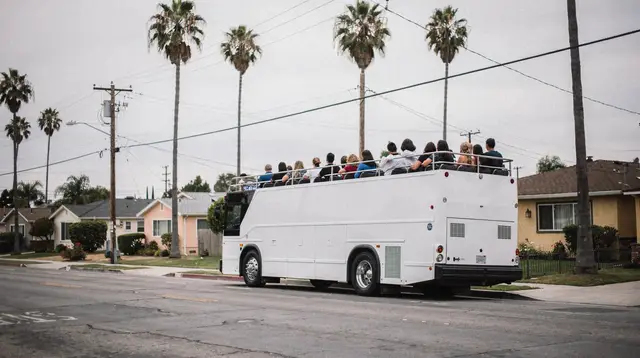
Once in town, Santa Barbara’s core — the waterfront, the harbor, State Street and the historic district — is compact enough to cover on foot or by a short hop-on trolley. A car (or a tour bus) becomes useful again the moment you want to reach the Santa Ynez Valley, Solvang or the hillside mission views above town.
The Waterfront and Downtown
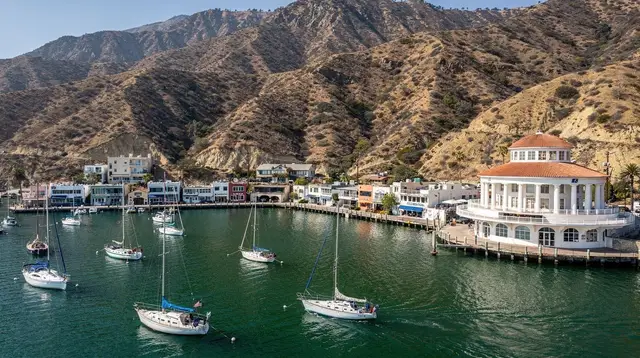
The Santa Barbara waterfront centers on Stearns Wharf, a working pier lined with shops and seafood restaurants that has anchored the harbor view for well over a century, and the harbor itself, home to a working fishing fleet alongside pleasure boats. From the wharf, the palm-fringed promenade runs along Cabrillo Boulevard, with East Beach on one side and the harbor on the other — a pleasant, flat stretch for an evening walk that most visitors underestimate on a first pass through town.
Inland from the water, State Street is the spine of downtown: restaurants, boutiques, and tasting rooms line several walkable blocks, many housed in the red-tile-roofed, whitewashed buildings that give the city its Spanish colonial look. That architectural style isn’t an accident — much of downtown was rebuilt in the 1920s following a major earthquake, using strict design guidelines that are still enforced today, which is why the look stays consistent block after block rather than fading into generic strip malls.
A good first orientation to the town is a narrated overview rather than a self-directed wander on a tight schedule.
a narrated trolley loop through the harbor, mission and downtown districts covers the main landmarks in a couple of hours and gives you a clearer sense of where to come back to on foot later.
Above downtown, the Santa Barbara Mission — one of the California missions strung along the historic El Camino Real — sits on a rise with views back over the red rooftops to the ocean, and the surrounding neighbourhood of gardens and historic homes rewards slow walking rather than a rushed drive-by.
On the Water
Santa Barbara’s identity is as much about the harbor as the town behind it. Sailing and powerboat outings run daily in good weather, ranging from short harbor cruises to longer trips along the coastline toward the Channel Islands, visible offshore on clear days.
an afternoon sailing cruise along the Santa Barbara coastline is a straightforward way to see the town from the water and get a sense of the coastline’s scale — something that’s hard to appreciate from the shore alone.
Whale watching along this stretch of coast is genuinely seasonal, and which species you’re likely to see shifts through the year, so it’s worth checking current migration timing before booking rather than assuming a single “whale season” covers everything. Boat trips of any kind, sailing or wildlife-focused, fill up in summer and around holiday weekends — book ahead rather than expecting to walk up to the harbor and find space same-day, particularly in July and August.
For visitors who’d rather stay active on the water than watch from a deck, options along the coast include kayaking, paddleboarding and other water sports departing from the harbor or nearby beaches, generally best arranged a day or two in advance during the busier months.
Food, and Wine Tasting Rooms Without Leaving Town
One detail that surprises first-time visitors: you don’t need to drive out to the valley to taste Santa Barbara County wine. A cluster of tasting rooms sits within a few downtown blocks, informally known locally as an urban wine trail, pouring from producers based in the Santa Ynez Valley and the wider county without requiring a car or a designated driver for the afternoon.
a downtown walking tour combining food stops with wine tastings is a practical way to sample both in one outing if your time in town is limited to a single afternoon.
Beyond wine, Santa Barbara’s food scene leans heavily on fresh seafood off the wharf, Californian produce, and a strong Mexican and Latin American food tradition reflecting the region’s history.
a guided taco crawl through several of the town’s taquerias and, for something lighter between bigger meals, a downtown ice cream walking tour both work well as a mid-afternoon break from sightseeing rather than a full sit-down meal.
Restaurant and tasting-room reservations matter more here than the small-town feel suggests, especially on Friday and Saturday evenings and throughout the summer high season — a walk-in strategy that works fine on a Tuesday in February can mean a long wait, or no table at all, on a July weekend.
The Wine Country Is a Separate Trip
It’s worth repeating plainly: the vineyards of the Santa Ynez Valley and the Danish-themed town of Solvang are not part of Santa Barbara itself. They sit roughly 30-45 minutes further inland, over the Santa Ynez Mountains, in a noticeably different landscape — rolling, golden hills and oak-dotted ranchland rather than a beach town. Many visitors combine both in a single well-planned day, but treating them as one and the same leads to disappointment on both ends: showing up in Santa Barbara expecting sprawling vineyard views, or arriving in Solvang expecting a beach.
a private guided wine tour into the Santa Ynez Valley is the more efficient way to see several wineries in a day without driving yourself between tasting rooms — worth booking a few days ahead in peak season, since the valley’s smaller tasting rooms have limited capacity.
For a closer look at what distinguishes the valley itself, see the dedicated Santa Ynez Valley and Solvang destination pages, and the Santa Barbara wine and drinks guide for a fuller rundown of tasting-room options both downtown and inland.
Climate: What the “Mediterranean” Label Doesn’t Tell You
Santa Barbara has a genuinely mediterranean climate — dry, sunny summers and a wetter winter — but that description glosses over a coastal quirk that catches many visitors off guard. In late spring and early summer, a marine layer of low cloud and fog often blankets the coast through the morning, a pattern known locally as “May gray” and “June gloom.” Mornings can stay overcast well into midday even during a stretch of otherwise sunny weeks, before the cloud burns off in the afternoon.
It’s not a guarantee of grey skies all day, but it’s common enough that planning a beach morning around guaranteed sunshine in May or June is a bet that doesn’t always pay off. See the explainer on May gray and June gloom for more on when and how it clears.
By contrast, September and October tend to bring the clearest, most reliably sunny stretch of the year along this part of the coast, after the marine layer eases and before winter rains begin — which is why that window is often cited as the best time to visit rather than the peak of summer itself. Winter (roughly November through March) brings most of the region’s modest annual rainfall, with the occasional storm system off the Pacific; summer stays dry throughout.
Practical Planning
| Item | What to expect |
|---|---|
| Driving time from LA | About 2 hours via US-101, longer at rush hour leaving the city |
| Driving time to Santa Ynez Valley / Solvang | 30-45 minutes further inland from Santa Barbara |
| Parking downtown | Metered street parking plus public lots; free time limits vary by block |
| Boat tours and wine/food tours | Book several days ahead, especially June-September and holiday weekends |
| Restaurant reservations | Recommended for dinner, especially Friday-Saturday and summer |
| Getting around downtown | Walkable; a trolley or short taxi/rideshare covers the harbor-to-mission distance |
A short itinerary framework: a full first day for the waterfront, harbor and downtown State Street district, including a harbor cruise or trolley tour; a second day split between a morning at the mission and historic district and an afternoon on the water or on a food and wine walk downtown; a third day, if you have it, for the inland trip to the Santa Ynez Valley and Solvang.
For a ready-made version of that structure, see the four-day Central Coast itinerary built around Santa Barbara, or, if you’re combining Santa Barbara with a longer coastal drive, the five-day Pacific Coast Highway road trip and the guide to driving the highway north or south.
If your trip is centered on Los Angeles and Santa Barbara is one piece of a wider Southern California visit, the best time to visit Los Angeles by zone breakdown and the best time to visit tool can help line up your Santa Barbara days with a stretch of clearer coastal weather. And if you’re weighing how many days the whole trip deserves before locking in a Santa Barbara stop, the Los Angeles destination page and a stop along the way at Malibu are worth factoring into the drive north.
For the fuller menu of things to do in town beyond what’s covered here — additional tours, tastings and activities — see things to do in Santa Barbara, the boat cruises guide, and the walking tours guide. For the nearby inland town with a slower pace than either the coast or the wine valley, see San Luis Obispo further up the Central Coast.
Santa Barbara: Frequently Asked Questions
Is Santa Barbara less than an hour from Los Angeles?
No. Santa Barbara is roughly two hours from Los Angeles by car via US-101 under normal traffic conditions, and can take longer leaving the LA basin during peak commute times. Treat it as a half-day-each-way trip rather than a quick hop up the coast.
Is Santa Barbara the same as the Santa Ynez Valley or Solvang?
No. Santa Barbara is a coastal city with its own harbor, beaches and downtown; the Santa Ynez Valley and Solvang are inland wine-country destinations roughly 30-45 minutes further north, over the Santa Ynez Mountains. Many visitors combine both in one trip, but they are distinct places with different landscapes and different things to do.
Can I taste Santa Barbara County wine without leaving downtown?
Yes. A cluster of tasting rooms sits within walking distance in downtown Santa Barbara, pouring wines from producers based in the surrounding county, so a full valley excursion isn’t required to sample local wine. A dedicated trip inland to the Santa Ynez Valley does offer a larger range of wineries and vineyard settings, though.
Is the weather always sunny on the Santa Barbara coast?
Not reliably in late spring and early summer. A coastal marine layer known locally as “May gray” and “June gloom” often keeps mornings overcast in May and June even when inland areas are sunny, typically clearing by afternoon. September and October tend to bring the most consistently sunny stretch of the year.
Do I need to book boat tours and food/wine tours in advance?
Yes, especially from June through September and around holiday weekends. Harbor cruises, whale-watching trips and guided food and wine tours have limited capacity and commonly sell out same-day walk-up availability during peak season.
How many days should I plan for Santa Barbara?
Two to three days covers the town well: a day for the waterfront, harbor and downtown; a day split between the historic mission district and a boat trip or food and wine outing; and, if time allows, a third day for the inland trip to the Santa Ynez Valley and Solvang.
Is Santa Barbara walkable, or do I need a car?
Downtown Santa Barbara — the waterfront, harbor, State Street and the mission area — is compact enough to explore on foot, supplemented by a short trolley ride or rideshare. A car becomes necessary again for the inland wine country trip or for continuing further up or down the coast.
What’s the difference between Santa Barbara and Ojai?
Santa Barbara is a coastal city built around its harbor and beaches; Ojai is a smaller, quieter inland town in a mountain-ringed valley, with a slower pace and a focus on wellness and outdoor recreation rather than a waterfront scene. They’re both on the Central Coast but offer distinctly different trips.