Driving and Parking in Los Angeles: What I Wish I'd Known
What should I actually expect from driving and parking in Los Angeles?
Expect traffic that can turn a short-looking trip into a much longer one at peak hours, and parking rules that vary block by block, so you read the signage every time rather than assuming. A rental car is still the default way to get around, but it comes with real planning, not just a set of keys.
By the third day of my last trip, I’d stopped trusting the map. Not because it was wrong, exactly, but because it kept telling me a story about distance that had nothing to do with how long things actually took. Ten minutes on the screen could mean thirty in the car. Or ten, if I got lucky with the light and the hour. I never fully figured out the pattern, and I don’t think anyone who lives here has either.
Why the map lies to you
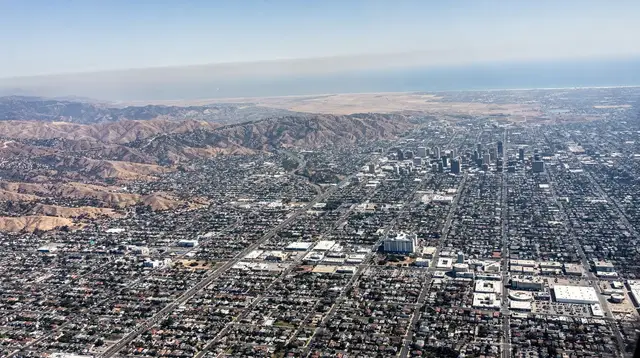
Los Angeles isn’t really one city you drive across, it’s a chain of basins and canyons and coastline stitched together by freeways, and the freeways are the whole ballgame. If you’re moving with traffic, the distance on the map is roughly the distance you’ll cover. If you’re moving against it, at the wrong hour, the same road becomes something else entirely. I learned to just add a buffer to anything I planned during a weekday morning or a weekday early evening, without pretending I knew exactly how big that buffer needed to be, because it genuinely changes by the day.
What helped more than any specific number was changing my expectations rather than my route. I stopped scheduling back-to-back plans that assumed a fixed drive time, and I started treating “get from A to B” as its own small activity rather than a gap between the real activities. Some days that meant leaving early and getting a coffee somewhere near my destination while I waited for a booking window. Other days it meant just accepting that a plan slipped by forty minutes and moving on with the evening.
a guided highlights tour where someone else does the driving and the route planning is honestly one of the more relaxing ways to see a first cross-section of the city, precisely because none of that timing uncertainty is your problem for the day.
If you want a longer read on whether you even need your own car for a given trip shape, I’d point you to do you need to rent a car in Los Angeles and does LA Metro cover enough of the city — this piece is really about what happens once you’ve already got the keys, not whether to get them.
Reading a curb before you walk away from it
The thing that actually caught me out wasn’t the freeway, it was the curb. Los Angeles street parking is governed by small metal signs that stack multiple rules on top of each other: permit zones for residents, street-cleaning windows on specific days, meters that only apply during certain hours, and time limits that reset depending on the neighbourhood. I got used to reading every sign near where I parked, in full, before walking away — not skimming it, reading it — because the rules genuinely differ from one block to the next in the same district.
In dense commercial strips around Hollywood, Downtown and the Westside, I treated street parking as something to be careful with by default rather than something to expect for free. Paid garages and lots exist in most of these areas, and while I’m not going to promise what any of them cost on a given day, budgeting for paid parking as the normal case, rather than the exception, saved me from a few tense last-minute scrambles.
A rideshare or a guided outing sidesteps the whole question for an evening. On one night out around West Hollywood and the Sunset Strip, I let an open-air bus tour through Hollywood and Beverly Hills handle the driving so I didn’t have to think about where the car would sit for three hours.
Beaches and theme parks play by a different set of rules
Away from the dense city grid, parking looks different again. Around Santa Monica and Venice Beach, I found dedicated beach lots that charge by the day rather than by the hour, which is a different mental model than feeding a meter — you’re generally paying once for as long as you’re there, and the price tends to shift with the season and how close you are to the sand. At Griffith Observatory, the parking itself was the real constraint on my visit, far more than the free admission was, especially arriving anywhere near sunset.
Theme parks are their own category entirely. At Disneyland in Anaheim, parking is a structured, paid, day-rate affair with its own entry procedure, often followed by a tram or a walk to the actual gate — it’s less like street parking and more like an extension of the ticketing process. I’d suggest reading up on theme park tickets and avoiding lines and the things to do in Disneyland Anaheim rundown before your visit so parking isn’t the one piece you didn’t plan for.
A rough comparison of what I dealt with
| Area type | Typical parking style | What I watched for |
|---|---|---|
| Dense city streets (Hollywood, Downtown, Beverly Hills) | Metered or permit street parking, paid garages nearby | Reading every line on the sign, street-cleaning windows |
| Beach areas (Santa Monica, Venice) | Day-rate public lots | Price shifting by season and proximity to the sand |
| Hillside viewpoints (Griffith Observatory) | Limited free spaces, fills fast | Arriving well before sunset or peak weekend hours |
| Theme parks (Disneyland and similar) | Structured paid day-rate parking, tram/walk to entry | Building the parking process into your arrival time |
Where I landed
None of this made me regret having a car — for the itinerary I was running, between the hills, the coast and everything in between, a rental was still clearly the default way to get around, and I’d say the same to most visitors putting together a first trip here. What changed was how I planned around it: I stopped assuming a drive would take exactly as long as the map said, and I stopped assuming a spot would just be there and free when I arrived. Building in flex, and reading the signage, did more for my actual stress levels than any route-planning trick did.
If you’d rather hand the driving off entirely for a stretch of your trip, a guided hike up toward the Hollywood Sign or, for something further out and completely different, a helicopter tour over the city’s landmarks are both good ways to get a big-picture day without touching a parking sign at all.
For a first-timer’s pacing that already accounts for some of this, the two-day first-time Los Angeles itinerary is a reasonable place to start, alongside a look at how rideshare compares to a rental car for your specific plan.
Driving and parking in Los Angeles: frequently asked questions
Will traffic really change my drive time that much?
It can. The same route can take noticeably longer at weekday peak hours than in free-flowing traffic, and I’d never promise a fixed duration for any drive here — building in extra time for anything scheduled during a weekday morning or early evening is the safer habit.
Is street parking free in Los Angeles?
Sometimes, but never assume it. Signage stacks permit zones, metered hours and street-cleaning windows on top of each other, and the rules can change from one block to the next, so I read every sign fully before walking away from the car.
Is parking near the beaches different from parking in the city?
Yes. Beach areas like Santa Monica and Venice commonly use day-rate public lots rather than hourly meters, so you’re often paying once for the day rather than feeding a meter, with the rate shifting by season and how close you park to the sand.
Do theme parks like Disneyland have their own parking system?
Yes, theme park parking tends to be a structured, paid, day-rate system with its own entry procedure, sometimes followed by a tram or walk to the gate — it’s worth building into your arrival timing rather than treating as an afterthought.
Do I still need a rental car if parking is this complicated?
For most visitors covering the wider region, yes — a rental car remains the practical default here, even with the parking planning involved, because many attractions simply aren’t realistically reachable otherwise.
Can I avoid parking altogether for part of my trip?
Rideshare and guided tours are both solid ways to skip the parking question for a day or an evening, particularly for dense nightlife areas or a single big loop around the city’s landmarks.
Are parking rules the same across every Los Angeles neighbourhood?
No. Rules genuinely vary by district and even by block, which is why I treat reading the posted signage as a habit rather than a one-time thing to learn.
Tours with transport included
Verified deep-linked GetYourGuide tours. Book through these links and we earn a small commission at no cost to you.
GetYourGuide does not provide a product photo for this activity — the image shows the meeting point, photographed by us.