Theme Park Tickets and Avoiding Lines in Los Angeles
What is the best way to avoid long lines at LA-area theme parks?
Arrive right at opening time and ride the two or three most in-demand attractions first, before crowds build through the morning. Treat one park as a full day on its own, since Disneyland (Anaheim) and Universal Studios Hollywood (Universal City) are separate resorts about an hour apart and are not realistically visited on the same day.
The first time I tried to combine a theme park morning with sightseeing in the afternoon, I learned the hard way that Southern California’s parks do not work like a quick stop on a longer day. I ended up leaving mid-afternoon, exhausted, having barely made a dent in what I wanted to ride. Since then I have treated a theme park day as its own, self-contained day, and my trips have gone a lot more smoothly for it.
Why one park is a full day, not a stop
Universal Studios Hollywood, Disneyland Resort, Knott’s Berry Farm, Six Flags Magic Mountain and Legoland California are all large enough that a single visit genuinely fills a day from opening to closing. I used to underestimate this, imagining I could do a few hours of rides in the morning and still see Downtown LA or the beach that afternoon.
In practice, between the time it takes to walk the grounds, queue for anything popular, eat a meal, and rest between attractions, the day disappears. Now I budget an entire day per park and I do not schedule anything else around it, including things to do I would otherwise be tempted to squeeze in. Our broader theme park guide for Los Angeles covers ticket types and passes in more depth if a specific park is still undecided.
This also means I do not try to combine two parks on consecutive days without a buffer. Standing in lines and walking large grounds is more tiring than it sounds, and back-to-back park days without a rest day in between tend to leave me flat by the third day of a trip. If a trip includes more than one park, our pacing guide for balancing theme parks and rest goes into how to space them out, and the broader question of how many days to budget for Los Angeles is worth settling before booking a single park day.
Disneyland and Universal Studios Hollywood are not neighbors
This is worth repeating because it trips up a lot of first-time visitors, myself included on my first trip: Disneyland is in Anaheim, in Orange County, while Universal Studios Hollywood is in Universal City, closer to the Hollywood side of the region. They are roughly an hour apart by car outside of rush hour, more during it, and they are entirely separate resorts with separate ticketing.
I do not try to visit both on the same day. Each one deserves its own full day, and trying to squeeze both in usually means doing neither justice. If I am deciding which one to prioritize in the first place, that is a separate question from this one, and I think about it well before I get to the logistics of queuing. Our side-by-side comparison of Disneyland and Universal Studios Hollywood walks through how I make that call when a trip only has room for one.
If a one-day visit to Disneyland is the plan, our one-day Disneyland itinerary lays out a full sample day, and it pairs well with the broader Los Angeles planning guide for fitting a park day into a longer trip.
Arriving at opening makes the biggest difference
Of everything I have tried, showing up at opening time, or slightly before, has had the single largest effect on how my day feels. The first hour or two after a park opens is consistently the calmest period of the day. Crowds build steadily through the morning and tend to peak in the early-to-mid afternoon, so every extra ride I get done in that first stretch is one I am not doing later, wedged between two or three other rides’ worth of people.
I plan to be at the entrance, ticket and park app ready, before the official opening time. Some parks let ticket holders staying at an on-site hotel enter earlier than the general public, which is worth checking directly with the park if it applies to a stay I have booked, since it can meaningfully extend that quiet opening window.
Prioritizing the most in-demand attractions first
Once I am inside, I do not wander toward whatever is nearest. I go straight for the two or three attractions I know will draw the longest queues later in the day, and I do those first, before the crowd has caught up. By late morning, those same rides can have waits several times longer than they did at opening. Attractions that are less popular, or that have higher capacity and move people through quickly, I save for the afternoon, when the popular rides are no longer worth the wait but these still are.
I also try to have a rough order in mind before I walk through the gates rather than figuring it out on the spot. A few minutes reading a park map and thinking through the layout the night before, in the hotel, saves real time versus deciding at each junction while already standing in the park.
What I do not count on
I have stopped expecting a day with no waiting at all. Even with early arrival and a clear priority order, some queuing is part of how these parks work, especially for anything with a strong reputation. I also do not try to predict exactly how long a specific ride’s line will run on a specific day, since that depends on the season, the day of the week, and factors I cannot know in advance. My planning is about shifting the odds in my favor, not eliminating the wait.
Parks do offer paid systems for skipping the standard queue on certain attractions, bought separately from park admission. I treat these as a possible add-on to decide on once I know the specific park and date, not something to build a whole strategy around, since availability and value vary by park and by day.
A quick comparison of the approach by park type
| Park type | Typical crowd pattern | My approach |
|---|---|---|
| Large single-day parks (Disneyland, Universal Studios Hollywood) | Busiest attractions fill up within the first hour or two | Arrive at opening, do headline rides first, save lighter attractions for afternoon |
| Mid-size parks (Knott’s Berry Farm, Legoland California) | Crowds build more gradually through the day | Still arrive early, but pacing is more forgiving later on |
| Thrill-focused parks (Six Flags Magic Mountain) | Marquee coasters draw the longest lines all day | Ride the two or three signature coasters first, everything else after |
Buying tickets before the trip
I buy park admission ahead of time rather than at the gate whenever I can, since it removes one line entirely on the morning I most want to move quickly. Our passes and tickets guide covers how different park tickets and multi-attraction passes around the region compare. For Legoland specifically, I book a one-day Legoland California admission ticket in advance so that arrival morning is just walking in rather than queuing at a ticket window.
Visiting with kids
A theme park day changes shape with young children along, since nap timing, ride height limits and shorter attention spans all affect how the opening-hour strategy plays out in practice. Our guide to theme parks with young children goes into this in more detail, and the Los Angeles with family guide covers the wider trip around it. If a trip is built specifically around park days with kids, our five-day Los Angeles theme parks itinerary for families lays out a full sample schedule.
Crowds shift with the season
The opening-hour strategy above matters on every visit, but how much it buys me changes with the time of year. Our piece on Christmas crowds at the Los Angeles theme parks covers the busiest stretch of the year in detail, and the wider best time to visit Los Angeles by zone guide is where I check how a specific travel window compares before locking in park days.
Beyond the rides
A theme park day does not have to be only about queuing strategy. If I want a change of pace before or after a park visit on the same trip, I look at a guided city highlights tour of Los Angeles or spend an evening watching the light change over the city on a sunset hike through Griffith Park toward the Hollywood Sign, both of which are a world away from queue lines and make a good contrast to a full park day.
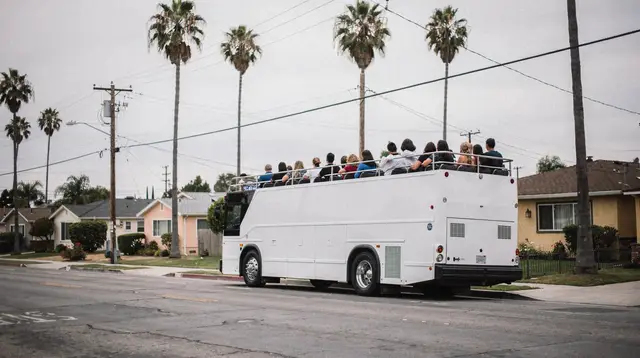
On a rest day between parks, an open-air bus tour through Hollywood and Beverly Hills is another low-effort way to see the city without any lines at all.
Frequently asked questions about theme park days in Los Angeles
Can I visit Disneyland and Universal Studios Hollywood on the same day?
It is not realistic to do both properly in one day. They are separate resorts roughly an hour apart, each large enough to fill a full day on its own, so I plan them as two separate visits.
What time should I arrive at the park?
I aim to be at the entrance before the official opening time. The first hour or two after opening is consistently the quietest period of the day, and some ticket types allow entry even earlier.
Which rides should I do first?
I prioritize the two or three attractions with the strongest reputation for long waits, doing them before mid-morning when crowds build up, and save higher-capacity or less in-demand attractions for later.
Can I do a theme park and other sightseeing on the same day?
I would not plan on it. Between travel time, walking the grounds, and queuing, a theme park visit in this region typically fills an entire day on its own.
Will I avoid all lines if I arrive early and plan well?
No. Some waiting is a normal part of visiting any of these parks, even with the best planning. Arriving early and prioritizing popular attractions shortens waits; it does not remove them.
Are there paid options to skip regular lines?
Some parks sell separate paid systems for skipping the standard queue on select attractions, purchased apart from general admission. I look into these once I know the specific park and date rather than assuming I will need them.
Should I visit two theme parks on back-to-back days?
I try to avoid it when possible. A full day of walking and queuing is tiring, and back-to-back park days without a break in between can leave the rest of a trip feeling rushed.
Does the crowd pattern differ between parks?
Yes. Large single-day parks tend to see their most popular attractions fill up within the first hour or two, mid-size parks build more gradually, and thrill-focused parks see the longest waits at their signature coasters throughout the day.
tours.Planning
Verified deep-linked GetYourGuide tours. Book through these links and we earn a small commission at no cost to you.
GetYourGuide does not provide a product photo for this activity — the image shows the meeting point, photographed by us.