Seven Days: Los Angeles and Las Vegas
Can Los Angeles and Las Vegas really be combined in one week?
Yes. A practical split is roughly four days in and around Los Angeles (Hollywood, Santa Monica, Universal Studios) and two to three days in Las Vegas, connected by a rental car on Interstate 15. The drive is in the order of four hours in free-flowing traffic, but weekend and holiday traffic through the desert can stretch that noticeably, so it should never be booked as a guaranteed same-day connection to a tight schedule.
This seven-day plan sticks to one deliberate pairing rather than trying to cover all of Southern California: Los Angeles for its city and coastal highlights, then an overland extension into the desert to Las Vegas. It is narrower in scope than a full Southern California grand tour, which strings together several regions without Las Vegas at all — this route trades that breadth for one clear city-to-desert contrast, with enough time in each place to not feel rushed.
Why pair Los Angeles with Las Vegas
Los Angeles and Las Vegas sit on opposite sides of a genuine climate and character divide, separated by desert rather than by a quick freeway hop. The drive between them, mostly on Interstate 15 through the Mojave, runs on the order of four hours in light traffic — that is a rough order of magnitude, not a promise, since weekend exits from LA and holiday weekends can add substantial time at the Cajon Pass and around Barstow. A rental car is the practical way to do this leg; flying is a real alternative for travelers short on time, but it changes the character of the trip and is not the focus of this itinerary.
Because the route crosses open desert, treat it like any desert drive: check fuel and water before setting out, avoid pushing engine or air conditioning limits during the hottest mid-afternoon hours in summer, and build in a buffer rather than timing arrival to the minute. Coastal Los Angeles and desert Las Vegas do not share a climate profile even in the same week of the year — Los Angeles stays comparatively mild near the coast while Las Vegas regularly runs significantly hotter, so packing for “one city” mindset does not work here.
At a glance
| Day | Base | Focus |
|---|---|---|
| 1 | Hollywood | Arrival, Hollywood Boulevard, Griffith Park views |
| 2 | Santa Monica | Santa Monica Pier, Venice Beach, coastline |
| 3 | Hollywood/Universal City | Universal Studios Hollywood |
| 4 | En route to Las Vegas | Desert drive, first Las Vegas evening |
| 5 | Las Vegas | Full day on and off the Strip |
| 6 | Las Vegas → Los Angeles | Return drive, easy LA evening |
| 7 | Los Angeles | Flexible day, departure |
Day 1: Arrival and Hollywood
Start the week based in or near Hollywood, a district within the City of Los Angeles rather than a separate town, which makes it a convenient first stop close to several other areas. Spend the afternoon on Hollywood Boulevard, with the Walk of Fame and the TCL Chinese Theatre forecourt, then head toward Griffith Observatory for sunset.
The Observatory itself is free to enter, but parking near the top is limited and fills early, especially at golden hour — arriving earlier in the afternoon or taking a rideshare avoids circling for a space. The Hollywood Sign cannot be reached on foot from the boulevard below; it is viewed from marked overlooks in Griffith Park and the surrounding trails, not approached at its base.
For an efficient first orientation to the sign and the wider Hollywood Hills views, a guided option such as the guided Hollywood Sign hike covers the best vantage points without the trial and error of finding parking and trailheads solo on day one.
Dinner can stay local to Hollywood or head toward West Hollywood and the Sunset Strip for a livelier evening scene.
Day 2: Santa Monica and the coast
Move the day’s focus to the water. Santa Monica and its pier make an easy half-day anchor, with the beach, the amusement park rides on the pier itself, and Third Street Promenade nearby for shopping and food. From there, Venice Beach is a short walk or ride south along the boardwalk, past the Venice Canals and Muscle Beach.
A combined look at the coastline and the hillside mansions further north is a reasonable use of an afternoon; the Santa Monica pier and Hollywood Sign tour links the pier stop with a Hollywood Sign viewpoint in a single outing, useful for travelers who want both without self-driving between them.
Water temperatures along this stretch of the Pacific stay cool year-round, closer to a bracing swim than a warm Mediterranean-style sea, even in the middle of summer — worth knowing before planning an afternoon swim rather than just a beach walk. For those who want to see how the region’s beach towns and their private homes look from the water, the Malibu and celebrity homes boat tour from Santa Monica covers the coastline north toward Malibu by sea rather than by car.
Day 3: Universal Studios Hollywood
Give this day fully to Universal Studios Hollywood, which sits close to central Hollywood and is straightforward to reach by car or rideshare without a long drive. This is a theme-park-style day with rides and attractions, distinct from a working-studio lot tour of an active production set — the two are different products even when both are loosely called “studio tours,” so it is worth being clear on which experience is booked.
Tickets for major Southern California theme parks are typically dated to a specific calendar day and bought in advance rather than picked up at the gate on a walk-up basis, so this day should be locked into the plan before arrival rather than left open-ended. For a faster-paced visit that includes behind-the-scenes access, the Universal Studios Hollywood VIP tour is built around skipping some of the standard waits and getting a guided introduction to the lot.
Plan for a full day here; between rides, shows and the studio tram tour, most visitors do not have much energy left for another activity afterward.
Day 4: Los Angeles to Las Vegas
This is the transition day. Set out reasonably early to give the desert crossing a comfortable buffer rather than racing a schedule — the route runs through the Mojave via the Cajon Pass and Barstow, and traffic through this corridor can back up significantly on Friday afternoons, Sunday returns and long weekends, which is the main reason not to treat “about four hours” as a fixed number.
Before leaving the Los Angeles area, top off fuel and carry water; services thin out for stretches once past the immediate LA basin, and a breakdown in desert heat is a different problem than one on a city street. A short stop in Barstow roughly marks the midpoint and is a sensible place to refuel and stretch.
Plan to arrive in Las Vegas in the afternoon or early evening, leaving enough daylight and energy to settle in before diving into the Strip. An easy first evening — dinner, a walk along the Strip, an early show — beats trying to pack in a full day of activity right after several hours of driving.
Day 5: A full day in Las Vegas
Use this day for the core Las Vegas experience: the Strip’s resorts, casinos and architecture, a daytime look at attractions that are easy to miss once evening crowds build, and time to simply walk the length of the Strip at a relaxed pace. Las Vegas runs considerably hotter than coastal Los Angeles for much of the year, so plan outdoor stretches for morning or evening and keep midday time indoors where possible, particularly in summer.
For an evening built around Las Vegas’s entertainment scene rather than gambling, the Chippendales show at Planet Hollywood is a straightforward way to book a well-known Strip show in advance rather than sorting through options once there.
If a second Las Vegas day were added to this itinerary, it would typically go toward a desert side trip such as Red Rock Canyon or the Hoover Dam — outside the scope of this particular seven-day plan, but worth knowing as an extension option for a longer visit.
Day 6: Las Vegas back to Los Angeles
Head back toward Los Angeles, ideally leaving before the worst of the return traffic builds, since the same corridor that can be slow leaving LA on a Friday tends to be slow leaving Las Vegas on a Sunday. Treat the return the same way as the outbound leg: fuel, water and a buffer rather than a fixed arrival time.
Once back in the Los Angeles area, keep the evening light — a casual dinner near wherever the week’s accommodation is based is enough after a full day of desert driving. This is not the day to schedule a major attraction.
Day 7: Flexible day and departure
Use the last day for whatever the week’s pace suggested was missed. Options include a slower look at Downtown LA, a museum visit, or simply a final relaxed morning near the coast before heading to the airport. Because Los Angeles has no single walkable centre, resist the urge to add one more far-flung stop on a travel day — a nearby, low-key option beats a long drive that risks the flight home.
Practical notes for this route
- Car rental: necessary for the Las Vegas leg of this itinerary; within Los Angeles itself, LA Metro covers some corridors (Hollywood, Downtown, Santa Monica) reasonably well, but the desert drive has no realistic public transit substitute for most travelers.
- Fuel and water: fill up before leaving the LA basin and again before leaving Las Vegas; carry water on both legs.
- Timing the drive: avoid starting the Los Angeles-to-Las Vegas leg on a Friday afternoon or the return on a Sunday afternoon if the schedule allows flexibility — these are the corridor’s heaviest traffic windows.
- Alternative to driving: flying between the two cities is a real option and cuts the desert crossing entirely, but it is not the route this itinerary is built around.
- Budget: mid-range for this plan, covering hotel-style accommodation, a handful of paid tours or shows, theme park admission on day three, and a rental car for the full week rather than just the Las Vegas leg.
For planning the Los Angeles portion in more depth, see the Hollywood Sign and Griffith Observatory guide; for the desert leg, the Las Vegas desert adventures guide and Las Vegas sightseeing tours guide cover options beyond what fits into two Las Vegas days here.
A shorter alternative that skips Las Vegas but covers more of the coast and desert regions is the Southern California grand tour; for a Los Angeles-only week, see three days of LA classics plus three days of LA beaches combined.
FAQ: Los Angeles and Las Vegas in seven days
How long does the drive from Los Angeles to Las Vegas actually take?
Roughly four hours in free-flowing traffic on Interstate 15, but this is an order of magnitude, not a guarantee — weekend, holiday and late-Friday traffic through the Cajon Pass and Barstow area can add well over an hour, so build in a buffer rather than timing arrival tightly.
Do I need a car for this whole week, or just for Las Vegas?
A car is essential for the Los Angeles-to-Las Vegas drive and useful for reaching spread-out Los Angeles attractions like Malibu or Griffith Observatory. Within denser corridors — Hollywood, Downtown, Santa Monica — LA Metro and rideshare can cover some trips without a car.
Is flying between Los Angeles and Las Vegas a better option than driving?
It is a legitimate alternative that avoids the desert crossing entirely, and worth considering for travelers short on time or uncomfortable with a long desert drive. This itinerary is built around the road trip itself as part of the experience, but flying is a reasonable substitute for the Day 4 and Day 6 driving legs.
Is the weather similar in Los Angeles and Las Vegas in summer?
No. Coastal Los Angeles stays comparatively mild thanks to the Pacific, while Las Vegas, further inland in the desert, runs noticeably hotter through the summer months. Pack and plan for two different climates within the same week, not one.
Can I visit the Hollywood Sign up close on this itinerary?
Not at its base — there is no public path to walk directly up to it. Day 1 and Day 2 both include marked viewpoints in Griffith Park and along the coast where the sign is visible and photographable from a distance.
Should I book Universal Studios Hollywood tickets in advance?
Yes. Tickets are generally tied to a specific calendar day and bought ahead of time rather than at the gate, so Day 3 should be fixed in the schedule before arrival rather than decided on the fly.
What’s the difference between this itinerary and the Southern California grand tour?
This plan focuses narrowly on the Los Angeles-Las Vegas pairing over seven days. The seven-day Southern California grand tour instead spreads across more regions of the state and does not include Las Vegas at all.
Is this itinerary suitable for a first-time visitor to Los Angeles?
Yes, though a first-time visitor with no interest in Las Vegas might prefer starting with two days for a first visit to Los Angeles or three days of LA classics and treating the desert extension as optional.
tours.7 days
Verified deep-linked GetYourGuide tours. Book through these links and we earn a small commission at no cost to you.
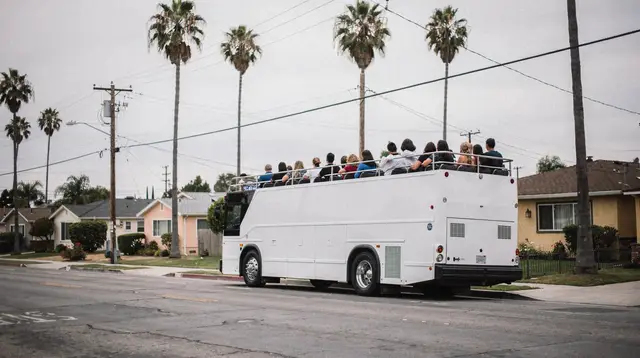
GetYourGuide does not provide a product photo for this activity — the image shows the meeting point, photographed by us.